
Researchers Discover Dedicated Immune Hubs in Mouse Skull Marrow
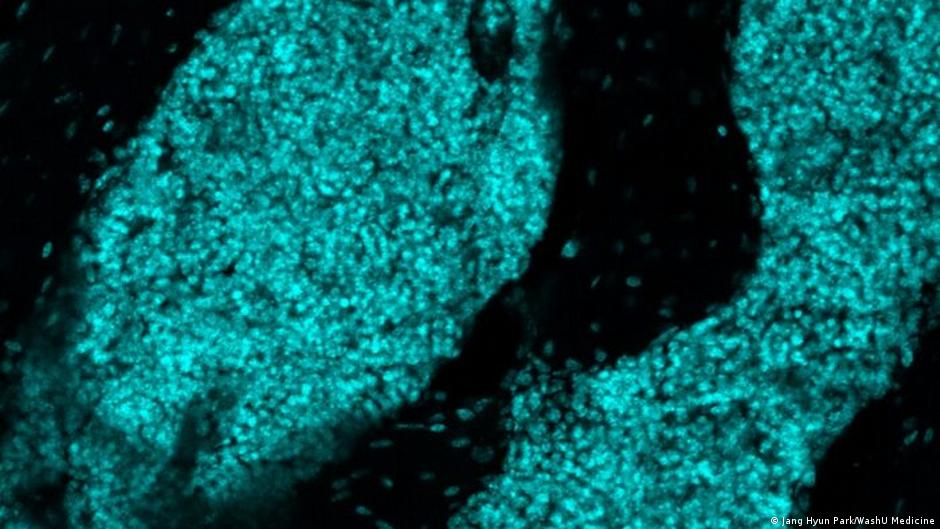
| Discovery | Lymph node-like immune hubs discovered in skull bone marrow of mice. |
|---|---|
| Lead Institution | Washington University School of Medicine in St. Louis. |
| Publication | Published in the journal Nature. |
| Function | Organized clusters of B and T cells mount faster local immune responses to brain tumors than neck lymph nodes. |
| Human Status | Unconfirmed; similar cells exist in human skull marrow, but active structures have not yet been demonstrated. |
Scientists have discovered organized immune structures in the bone marrow of mouse skulls that act like localized defense hubs for the brain, according to a study published in the journal Nature. The research, conducted by a team at Washington University School of Medicine in St. Louis, indicates that the skull functions as more than a rigid protective shield.
The newly identified hubs consist of organized clusters of T cells and B cells. In tests on mice, these structures recognized and mounted a response against glioblastoma—an aggressive form of brain cancer—earlier than the body’s conventional lymph nodes located in the neck. Neck lymph nodes are shared among multiple organ tissues, including the throat and skin, whereas the skull hubs appear dedicated specifically to monitoring and defending brain tissue.
To observe how these immune hubs operate, researchers tracked proteins moving from mouse brains through microscopic channels in the skull and directly into the adjacent marrow. Finding immune cells in bone marrow is standard, but discovering them structured into organized command centers came as a surprise. “We have never seen such structures in healthy bone marrow before,” study co-author Jang Hyun Park stated.
The team evaluated the influence of these structures by manipulating them in diseased mice. When researchers disrupted the immune hubs in mice suffering from glioblastoma, the tumors grew at an accelerated pace, and the animals died earlier. In contrast, when the team stimulated the skull marrow using immune-boosting proteins, the treated mice fought off the tumors more efficiently and experienced extended survival times.
These outcomes suggest a future possibility of treating brain conditions by delivering therapies directly to skull marrow rather than attempting to pass drugs through delicate brain tissue. However, senior study author Jonathan Kipnis noted that the findings remain limited to laboratory mice. Although researchers identified similar types of immune cells within human skull marrow, they have yet to verify whether those cells form organized or operational structures in people.
Marco Prinz, an independent neuroimmunologist at the University of Freiburg, described the research as a major finding. “I think nobody expected to find these lymph node-like structures in the skull,” Prinz said. He noted that the major task ahead is demonstrating whether these hubs exist and function within human skulls. He added that these structures could be particularly vital during infections or brain tumors where tissue barriers loosen, while their involvement in diseases such as Alzheimer’s or Parkinson’s remains to be proven.
Background
For much of the 20th century, scientific consensus regarded the brain as “immune privileged,” meaning it was largely isolated from the body’s general immune system to protect sensitive neural tissue from damaging inflammation. A primary element of this isolation is the blood-brain barrier, a selective membrane that controls which substances can pass into brain tissue from the bloodstream.
In recent years, understanding of neuroimmunology has shifted as researchers uncovered active communication pathways between the central nervous system and the broader immune system. Previous studies by the Washington University team identified lymphatic vessels within the outer membranes surrounding the brain, as well as microscopic channels directly connecting those membranes to the bone marrow inside the skull.



Leave a Reply