
Over 680 Dead and Thousands Missing After Glacial Collapse Triggers Floods in Nepal and Tibet
| Fatalities and Missing | At least 682 bodies have been recovered, including 675 in Nepal and 7 in Tibet, while nearly 3,000 people remain missing. |
|---|---|
| Cause of Disaster | A glacial collapse on Wednesday released rock, ice, and mud into Himalayan river systems, destroying towns and dams. |
| Rescue Hurdles | Heavy rains and thick mud grounded helicopters in Nepal, where over 100 workers remain trapped in a hydropower tunnel. |
| Reconstruction Cost | Nepal estimates rebuilding expenses between $4 billion and $5 billion, equal to roughly one-tenth of its economy. |
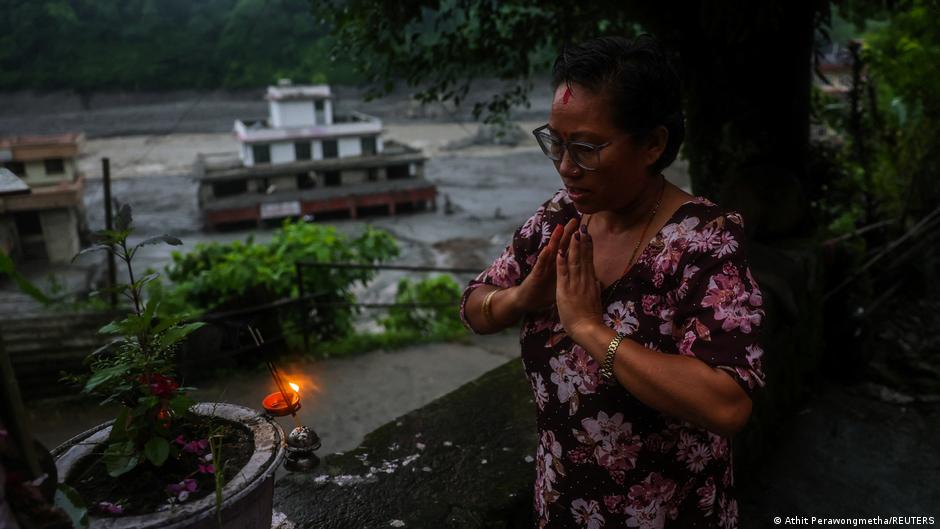
More than 680 bodies have been recovered following severe flash flooding triggered by a glacial collapse along the high-altitude border between Nepal and Tibet. Search and rescue operations entered their fourth day on Saturday as authorities reported nearly 3,000 people still missing across the region.
The catastrophe began on Wednesday when a massive surge of ice, rock, and mud tore through mountain river valleys. The floodwaters devastated settlements and damaged key infrastructure, including hydroelectric power facilities. Disaster officials in Nepal confirmed 675 deaths, with 2,426 people, including foreign citizens, listed as missing. Across the border, Chinese state media reported seven fatalities and 554 people missing in Tibet. Indian authorities also reported finding seven bodies swept downstream into Indian territory, believed to be victims of the disaster.
Rescue operations in Nepal have faced severe disruption from adverse weather and heavy mud. Nepal Army spokesperson Raja Ram Basnet reported on Saturday that helicopter flights were suspended until atmospheric conditions improved. In Rasuwa District, rescue crews are attempting to clear entrance points to a mud-filled tunnel at the Trishuli 3A hydropower plant, where more than 100 people are trapped. Rescuers have deployed ropes and baskets to reach survivors, and a specialized tunnel rescue team from neighboring India arrived on Saturday to assist.
Nepalese Foreign Minister Shishir Khanal stated that while domestic personnel are handling basic search efforts, foreign aid is required for complex tasks. “We have already made requests for such specialized services,” Khanal said, noting that Nepal needs international technical support to reopen damaged transport networks, identify bodies, perform DNA testing, and provide cold storage for victims.
Financial losses from the flood are expected to be substantial. Nepal’s Finance Minister Swarnim Wagle estimated that early reconstruction costs would fall “between $4-$5 billion. Just an estimate,” which equates to nearly a tenth of the country’s gross domestic product. Wagle noted that while high, the cost remains lower than the recovery effort following Nepal’s catastrophic 2015 earthquake.
Environmental hazards remain significant as debris dams formed temporary lakes upstream. Satellite data showed that a barrier lake in the Tsangpo River basin shrank by approximately 21,000 square meters by Saturday morning. However, Chinese technical experts identified a second body of water covering more than 120,000 square meters near the site of the glacial collapse. Disaster management agencies warned that downstream communities will remain at risk until both temporary lakes clear completely.
Background
The Himalayan range is highly vulnerable to flash floods, landslides, and glacial lake outbursts due to its steep topography and dynamic river networks. High-altitude glacial collapses occur when massive sections of ice and rock destabilize, sending rapid flows of debris into mountain channels shared by Nepal, China, and India. Severe flood events in the region frequently cause heavy human casualties and disrupt critical infrastructure, such as roads, bridges, and hydroelectric power plants, which are crucial to local economies.


Leave a Reply