
WNBA Commissioner Denounces Critics Amid Transgender Athlete Eligibility Debate
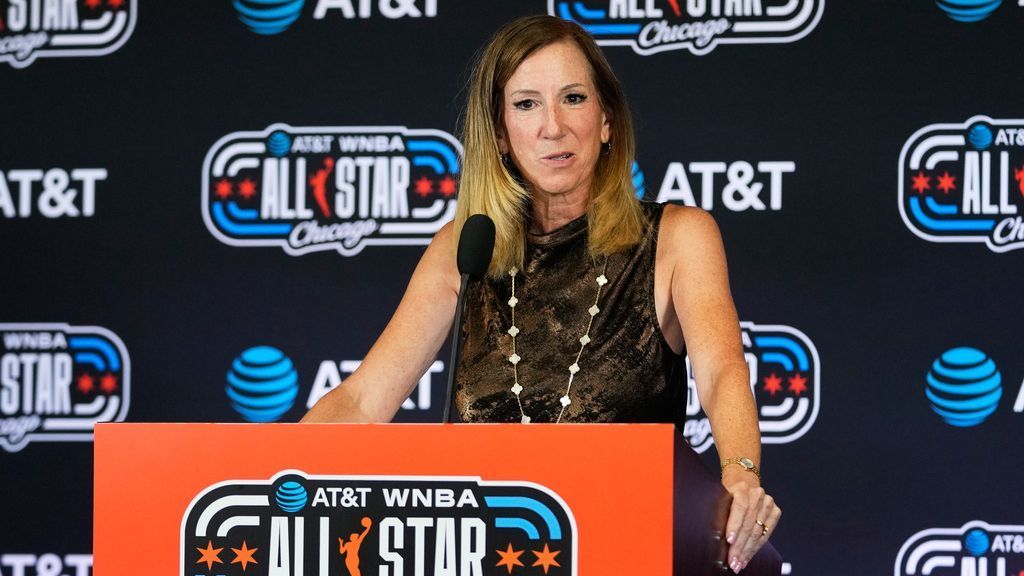
| League Position | WNBA Commissioner Cathy Engelbert accused critics of using the league to "sow divisiveness" amid debate over transgender athlete eligibility. |
|---|---|
| Triggering Events | Protests arose after player Sophie Cunningham supported excluding transgender women from women's sports, and two former NBA players declared for the WNBA draft. |
| Rule Language | The WNBA collective bargaining agreement states only women can play, but does not define gender identity or sex assigned at birth. |
| Next Steps | Engelbert sent a memorandum to team leaders indicating the league will formally discuss regulations regarding transgender athletes. |
Women’s National Basketball Association (WNBA) Commissioner Cathy Engelbert has publicly denounced critics who she says are attempting to generate political conflict through the league as it navigates an expanding debate over the participation of transgender athletes.
Speaking on Thursday during a pregame gathering in Dallas, Texas, Engelbert addressed ongoing public demonstrations and media attention that have recently focused on the women’s professional basketball league. Engelbert sat alongside Dallas Wings chief executive officer Greg Bibb prior to a game between the Dallas Wings and the Indiana Fever at the American Airlines Center, the home venue of the NBA’s Dallas Mavericks. The appearance marked Engelbert’s first public remarks since the league released a formal statement addressing the controversy.
During her comments, Engelbert argued that outside actors were seeking to exploit the league’s platform. “People are trying to use the league to sow divisiveness,” she said, adding that the WNBA had become “the center of political football” driven by individuals who had never previously followed, covered, or written about the competition. Her choice of phrasing mirrored recent comments from National Basketball Association Commissioner Adam Silver regarding the ongoing public discourse.
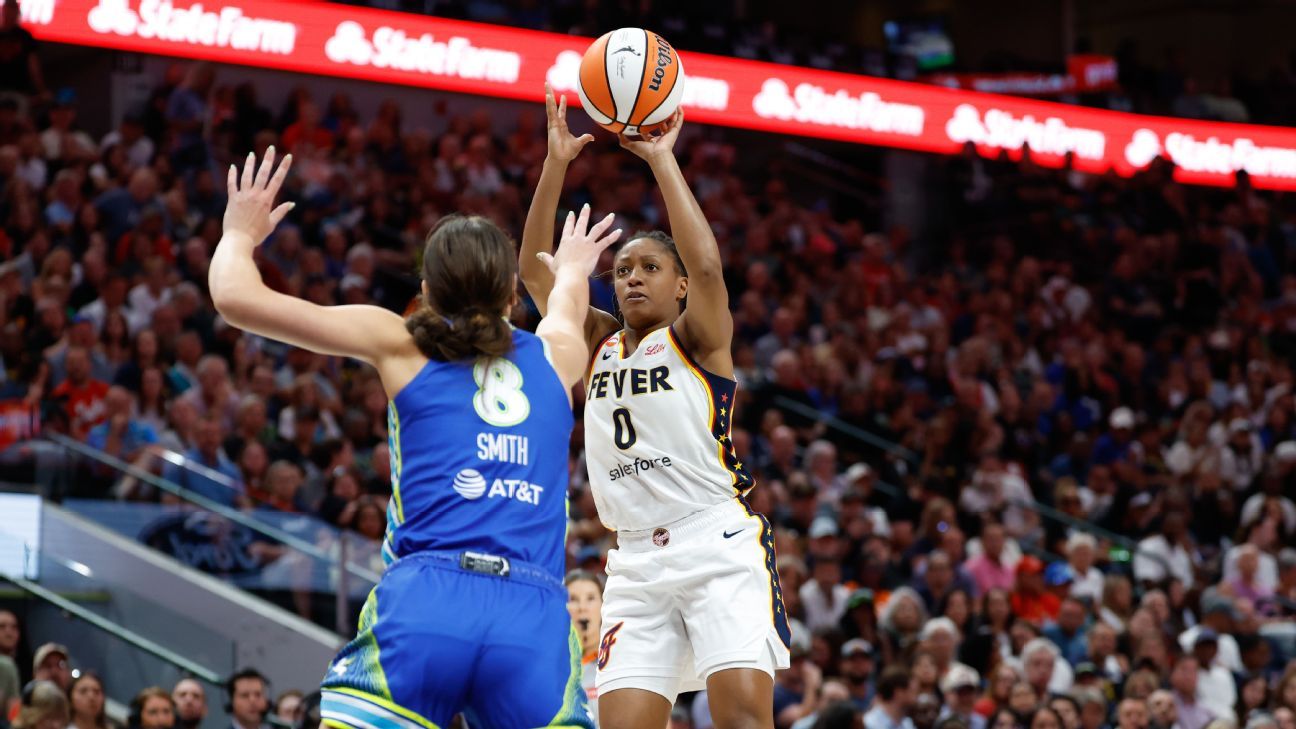
The controversy gained momentum following a detailed media profile in which Indiana Fever guard Sophie Cunningham publicly voiced support for preventing transgender women and girls from competing in female sports categories. Following the publication of Cunningham’s comments, groups of protesters began appearing outside various league venues across the country, including the arena in Dallas before the Wings defeated the Fever 91–85 on Thursday night.
The controversy coincides with unprecedented declarations regarding player eligibility. Earlier this month, former NBA players Enes Kanter Freedom and Royce White publicly announced their intention to enter the WNBA draft, stating that they identify as women. Under the WNBA’s active collective bargaining agreement, eligibility rules mandate that “only players who are women are eligible to play in the WNBA.” However, the agreement contains no detailed clauses addressing gender identity or biological sex assigned at birth.
The league previously released an official statement addressing the matter, taking aim at what it characterized as bad-faith efforts designed to demean or marginalize individuals under the guise of an eligibility debate. Engelbert also distributed a memorandum to team presidents and general managers earlier in the month, signaling that league executives would formalize discussions on the topic. Engelbert characterized the heightened friction as an unavoidable byproduct of commercial growth, stating, “There’s always going to be haters out there, and we denounce it.” She noted that such scrutiny naturally accompanies the league’s emergence as a major media and entertainment entity.
Background
The debate surrounding transgender inclusion in professional and elite sports has intensified globally in recent years, with various international sports governing bodies establishing differing regulations regarding eligibility based on gender identity and biological sex. The WNBA, founded in 1996 as the premier professional women’s basketball league in North America, operates under a collective bargaining agreement negotiated between league management and the players’ union that governs player qualifications, eligibility, and employment conditions.

Leave a Reply