
Canada Considers Energy and Trade Countermeasures in Escalating U.S. Dispute
| Trade Dependence | Canada is the top export destination for 26 U.S. states and ranks among the top three for 45 states. |
|---|---|
| Targeted Sectors | Proposed Canadian countermeasures focus on U.S. steel, dairy, electronics, appliances, agricultural machinery, and paper products. |
| Public Support | An Angus Reid poll found 76 percent of Canadians support walking away from trade talks despite potential domestic economic damage. |
| Past Impact | Prior provincial bans on U.S. alcohol reduced American wine exports to Canada by 78 percent. |
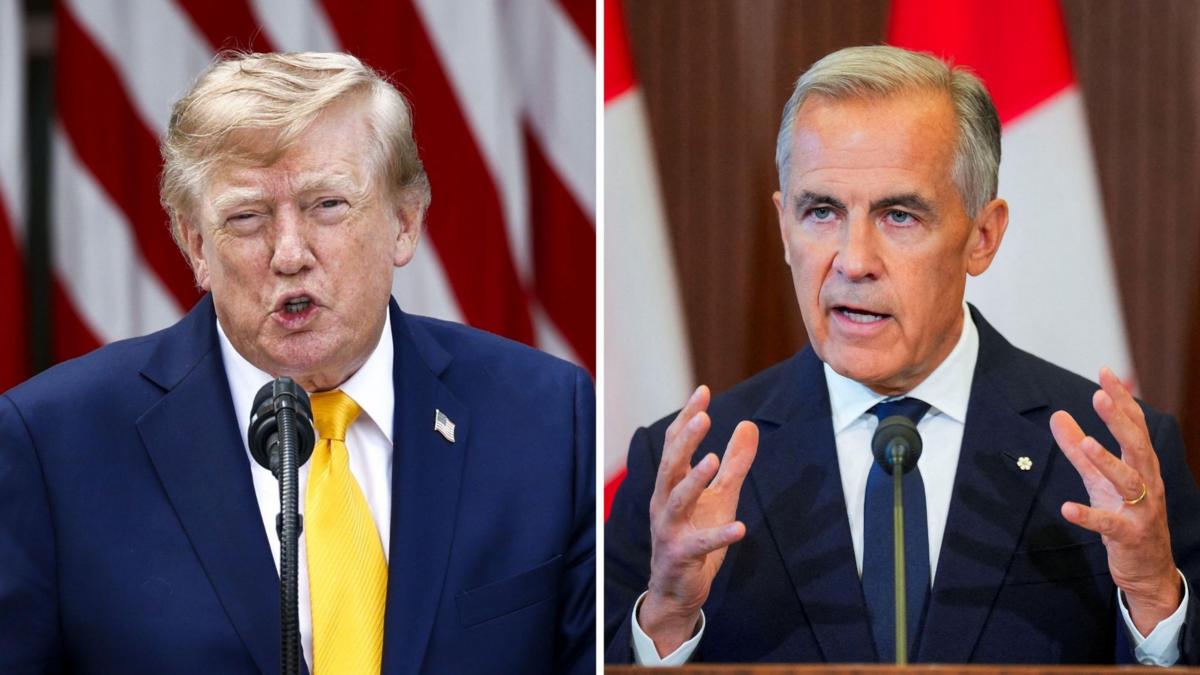
As trade friction worsens between Ottawa and Washington, Canada is evaluating multiple economic leverage points to counter U.S. tariff threats. Canadian Prime Minister Mark Carney has outlined plans for targeted duties, while regional political leaders have suggested broader retaliatory options involving energy supplies and critical raw materials.
Canada serves as the primary export market for 26 U.S. states—including Michigan, Maine, and Wisconsin—and ranks within the top three trade destinations for 45 states. In response to recent U.S. tariffs, Carney announced reciprocal countermeasures focusing on American steel, dairy, electronics, appliances, agricultural equipment, and paper products. Additional government measures to support Canadian workers and businesses are scheduled to be announced on Tuesday.
Canada also holds significant influence over U.S. energy supply lines, supplying approximately 60 percent of American crude oil imports alongside most U.S. imports of natural gas and electricity. While energy restrictions are currently excluded from official retaliatory duty lists, Canadian officials have not ruled them out. Doug Ford, the premier of Ontario, stated that an “energy surcharge is on the table” and previously floated a 25 percent levy on electricity exported to neighbouring U.S. states. Criticizing the American stance, Ford added, “President Trump underestimates us, and that’s the biggest mistake.”
Beyond energy, Canada is the world’s primary supplier of potash—a key component in crop fertilizers—and possesses substantial reserves of critical minerals such as lithium, nickel, and graphite. Ford asserted in an interview that the U.S. “won’t get a grain of sand out of Ontario” regarding mineral exports.
Earlier provincial measures have already caused measurable disruption to key U.S. sectors. Currently, 11 of Canada’s 13 provinces and territories maintain bans on American alcohol at government-run liquor stores in response to earlier U.S. tariffs. U.S. government data shows American wine exports to Canada subsequently fell by 78 percent—representing a 357 million dollar loss—while spirits exports dropped by over 70 percent. Additionally, reduced Canadian tourism to the U.S. resulted in an estimated 2.35 billion dollar decline in U.S. travel revenue last year, with Canadians making 800,000 fewer trips south in April compared to the same month in 2024.
Financial analysts estimate that recent U.S. tariffs of 50 percent on roughly 20 billion dollars worth of Canadian imports could reduce Canadian gross domestic product by 0.3 percent to 0.6 percent in the short term. Despite these forecasts, domestic public support for a firm stance remains high, with an Angus Reid poll indicating 76 percent of Canadians back the decision to exit negotiations rather than accept unfavorable terms.
Background
Trade tensions between the United States and Canada escalated after U.S. President Donald Trump imposed 50 percent tariffs on roughly 20 billion dollars of Canadian imports, accompanied by threats of additional duties on automobiles. The move prompted Canadian Prime Minister Mark Carney to walk away from bilateral trade negotiations and prepare reciprocal retaliatory measures.


Leave a Reply