
Motorola's GrapheneOS phones will launch in 2027 priced higher than Pixels
Motorola is preparing to bring official GrapheneOS support to its smartphones in 2027, marking a major expansion for the privacy-focused Android operating system beyond Google’s Pixel lineup. However, buyers hoping for an affordable Motorola alternative may be disappointed: the first devices are expected to be high-end flagships priced above comparable Pixel phones.
GrapheneOS Is Expanding Beyond Pixel
GrapheneOS has traditionally been closely associated with Google Pixel phones because of their hardware security features, long-term software support and compatibility with the operating system’s security requirements.
That is set to change following Motorola’s partnership with the GrapheneOS project. The first Motorola devices are planned for 2027, with the initial rollout focused on flagship hardware.
The move could give privacy-conscious Android users another major hardware option instead of relying exclusively on Pixel devices.
The First Phones Will Be Premium Flagships
According to recent information from the GrapheneOS project, the first Motorola phones will use higher-end hardware and are expected to cost more than Pixel phones.
The exact prices have not yet been announced, so there is no confirmed figure for the final retail cost. However, the project has indicated that these initial devices will sit above Pixel phones in both hardware positioning and price.
That means Motorola’s first GrapheneOS phones are unlikely to compete with budget or mid-range smartphones.
Why Are Cheaper Phones Not Coming First?
One major reason is hardware security.
GrapheneOS has strict requirements for supported devices, including hardware-backed security technologies and features such as memory tagging. Current lower-cost Qualcomm platforms do not necessarily provide the combination of security capabilities and long-term support needed by the project.
Flagship Snapdragon platforms are further ahead in these areas, making premium Motorola devices a more practical starting point.
Long-term software support is another consideration. GrapheneOS needs manufacturers to provide sufficiently long support periods so that security updates can continue for years.
Motorola’s Razr Foldables Are Also Planned
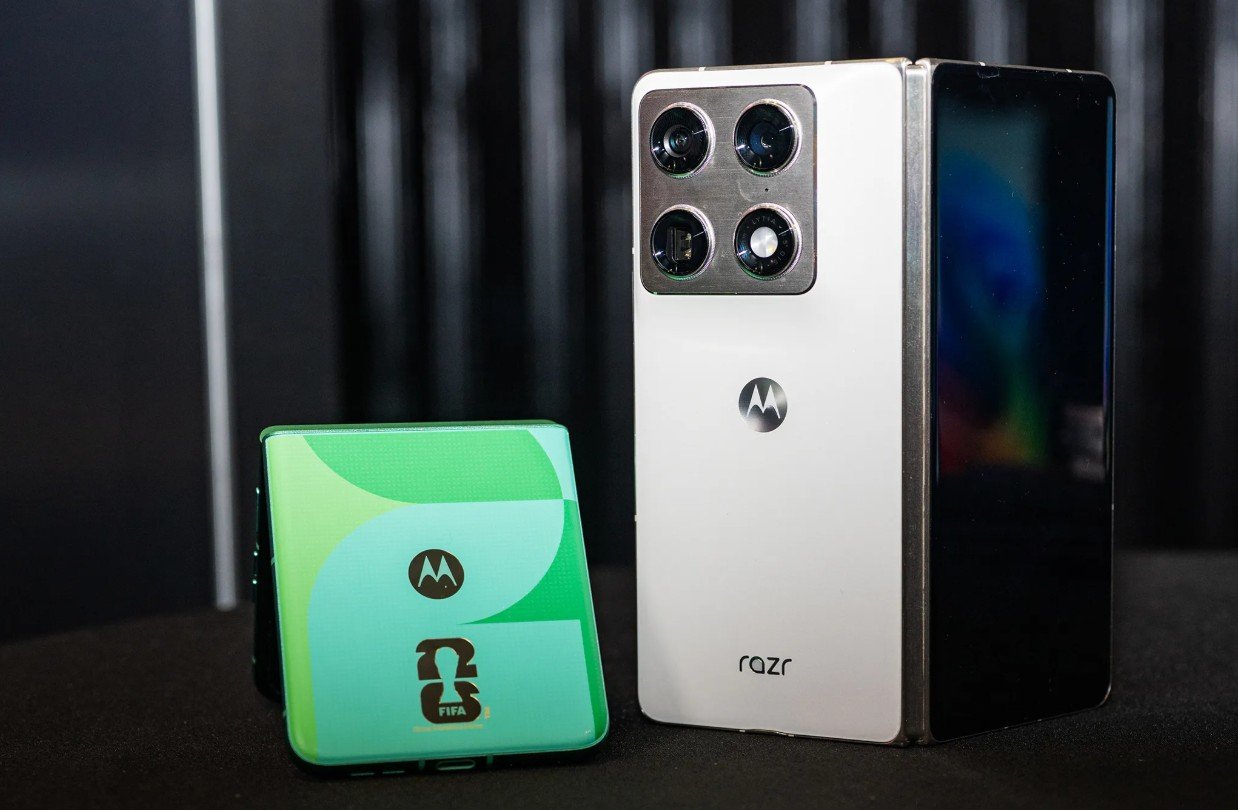
Motorola’s GrapheneOS plans are not limited to traditional smartphones.
The project has indicated that future support is expected to extend to Motorola’s Razr Fold and Razr Ultra. The Razr Ultra could become particularly notable because it would represent one of the first flip-style smartphones to receive official GrapheneOS support.
The rollout is expected to begin with a conventional flagship before expanding to additional form factors.
What Makes GrapheneOS Different?
GrapheneOS is an Android-based operating system designed with a strong emphasis on privacy and security. It is built from the Android Open Source Project and adds additional security hardening and privacy-focused features.
For users who want greater control over how apps and system services access their information, GrapheneOS offers an alternative to conventional Android software.
Its expansion to Motorola hardware could therefore be significant for people who want flagship smartphone hardware without being limited to Google’s Pixel ecosystem.
A More Expensive Privacy Option
The biggest question for consumers will be whether the premium price is justified.
Pixel phones already offer strong security features and are the primary hardware platform for GrapheneOS today. Motorola will need to offer compelling hardware, long-term support and a strong GrapheneOS experience to convince users to pay even more.
At the same time, having another manufacturer officially supporting GrapheneOS could increase competition and give privacy-focused Android users more choice.
What to Expect in 2027
Motorola’s first GrapheneOS phones are currently expected to arrive in 2027. The initial devices will focus on flagship hardware, with additional Motorola models—including Razr foldables—expected to follow.
Pricing, exact model names, specifications and availability have not yet been fully disclosed.
For now, the message is clear: Motorola’s GrapheneOS debut is being positioned as a premium privacy-focused smartphone experience, rather than a cheaper alternative to Pixel.
If Motorola can combine flagship hardware with GrapheneOS’s security and privacy features, its 2027 lineup could become one of the most interesting developments in the Android smartphone market.



Leave a Reply