
Devastating Flash Floods along Nepal-Tibet Border Leave Hundreds Dead and Missing
| Casualties | At least 389 people confirmed dead, with 900 others reported missing. |
|---|---|
| Location | Himalayan border region between Nepal and Tibet, including Nuwakot and Rasuwa districts. |
| Seismic Impact | The force of the sudden flooding was so powerful that seismologists initially mistook it for an earthquake. |
| Emergency Response | Rescue crews are searching mud and debris while helicopters airlift injured survivors to Kathmandu. |
At least 389 people have died and approximately 900 others remain missing after catastrophic flash floods devastated communities along the border between Nepal and Tibet on Wednesday. The sudden surge of water and debris swept through entire Himalayan villages with extreme force, generating ground vibrations so severe that seismologists initially misidentified the disaster as an earthquake.
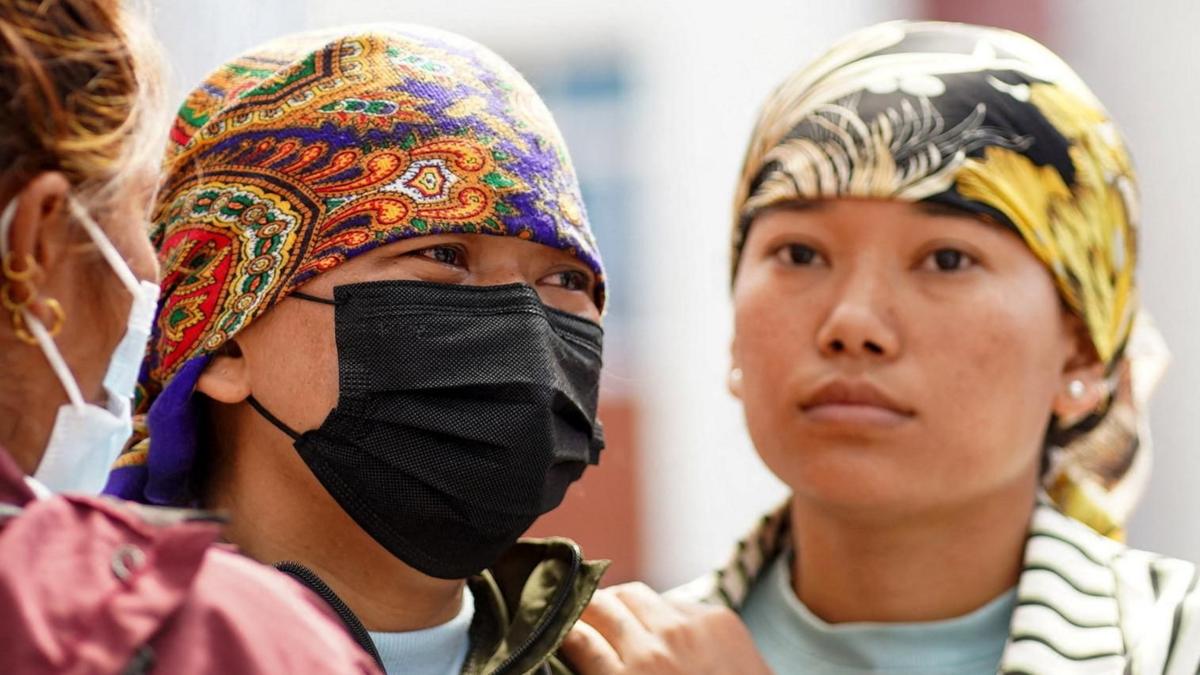
Rescue teams navigated thick mud, fallen trees, and ruined buildings on Thursday in a push to locate survivors and deliver aid. Nepalese authorities mobilized emergency relief supplies, including food, medical materials, and temporary shelters, while helicopters began airlifting injured victims directly to Kathmandu. Outside the capital’s TU Teaching Hospital, anxious relatives gathered to wait for arriving casualty flights and seek information about missing family members.
Survivors reported that the floods struck with virtually no warning, leaving residents almost no time to flee. Kalpana Malla, a resident of Nepal’s Nuwakot district, described watching multiple family members get swept away by torrents of mud. Malla lost her parents, sister, and her sister’s children in the disaster. She and her son, Sugam Malla, managed to escape by climbing onto the roof of a house after her son pulled her from the rising debris.
The floodwaters also destroyed local agricultural infrastructure and livestock across the region. Goma Pandit, a local farmer, stated that the flood tore away her farmland and washed away all of her livestock, including her cattle and buffaloes. She added that her stored harvests, consisting of tons of corn and rice paddy as well as ten sacks of mustard seeds, were completely destroyed.
In the village of Rasiwa Syafru, trekking guide Sonam Dorjee narrowly missed the deluge after departing his home about an hour before the disaster hit. As he drove toward Kathmandu, he heard the roar of the incoming flood. Dorjee noted, “It sounded like an earthquake” as water surged into the area. He later learned through photographs that his home had collapsed, while his sister, Dechen Tamang, her husband, and several other relatives remained unaccounted for.
Communication disruptions across the affected districts left many families in uncertainty. Relatives at the Kathmandu medical center reported that telephone connections to the flood zone cut out abruptly on Wednesday evening, leaving them unable to confirm whether missing drivers, workers, or residents had survived the catastrophe.
Background
Nepal’s rugged mountain terrain makes the region particularly vulnerable to severe monsoon weather, landslides, and sudden floods. Flash floods along the Himalayan border zone can occur when heavy rainfall overwhelms rivers or when glacial lakes burst their banks, sending high-velocity debris streams into downstream valleys.
The remote location of many border villages complicates rescue operations and emergency communications, often forcing authorities to rely on air transport to evacuate casualties to major medical centers in the capital, Kathmandu.


Leave a Reply