
Disabled People in England to Get 24-Hour Free Bus Travel From April 2027
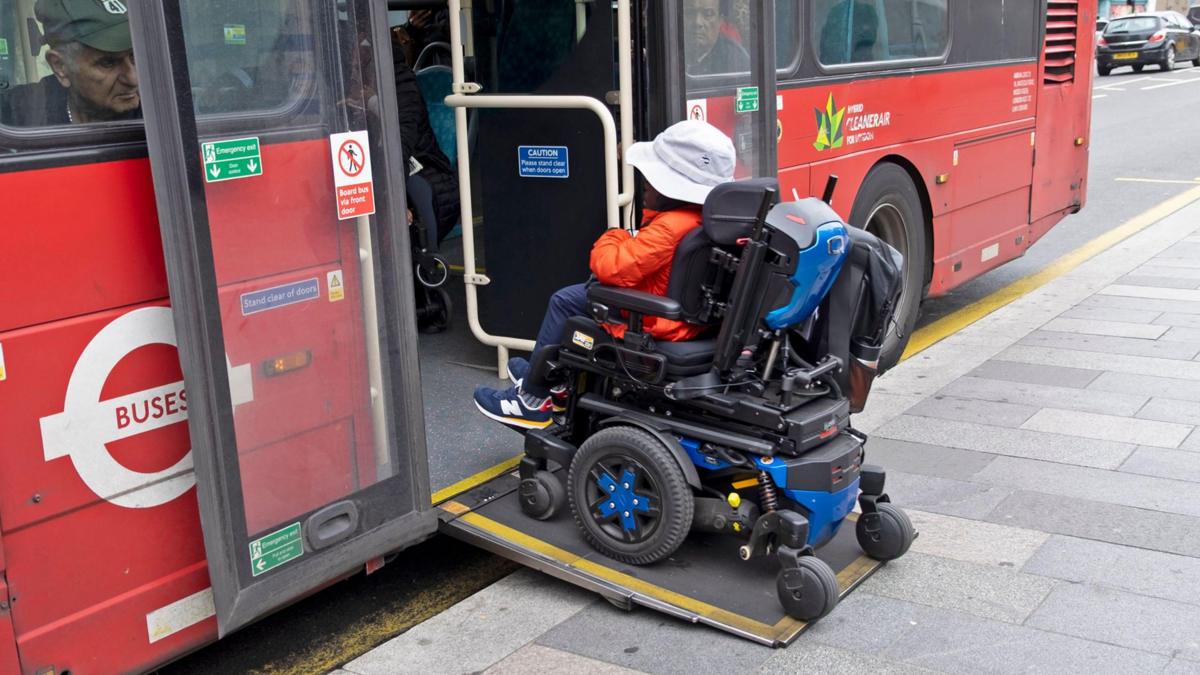
Disabled people across England will be able to travel by bus for free at any time of day under a major change to the country’s concessionary travel scheme.
The government has announced that eligible disabled bus pass holders will be able to use their passes 24 hours a day, seven days a week from April 2027. The change is designed to remove restrictions that currently make it harder for some disabled people to travel to work, education, appointments and social activities.
The government estimates that around one million disabled people could benefit from the change.
When Will 24-Hour Free Bus Travel Start?
The new rules are expected to come into effect on 1 April 2027.
At present, disabled bus passes in England generally allow free travel on weekdays between 9:30am and 11pm. Pass holders can already use their passes throughout the day on weekends and bank holidays.
The new policy will remove the weekday time restriction, meaning eligible passengers will be able to travel free at any time of day.
Some local authorities have already introduced broader arrangements. Greater Manchester, for example, has previously extended free travel for disabled pass holders beyond the standard national hours.
Why Is the Government Making the Change?
The government says the current restrictions can create unnecessary barriers for disabled people.
A person who works early in the morning, finishes a late shift or attends an evening event may currently find that their concessionary pass does not cover part of their journey.
The government has linked the change to both cost-of-living support and efforts to help more disabled people enter and remain in employment.
Prime Minister Andy Burnham said it was not right that disabled people could be prevented from using their passes at certain times of the day.
For people who depend heavily on public transport, removing the time restriction could make everyday journeys considerably easier.
How Much Will the Scheme Cost?
The government has announced a £60 million funding package to support the extension.
The funding is made up of:
- £40 million from the Department for Work and Pensions
- £20 million from the Department for Transport
The investment is intended to help cover the additional cost of extending the concessionary travel scheme across England.
Who Will Benefit?
The change is aimed at people who are already eligible for a disabled person’s bus pass under England’s concessionary travel arrangements.
The government expects approximately one million disabled pass holders to benefit.
Eligibility for a disabled person’s bus pass is based on specific disability-related criteria. These can include significant difficulties with mobility, blindness or severe sight impairment, profound or severe hearing impairment, being without speech, or certain learning disabilities.
The precise application process and eligibility assessment are handled by local authorities.
Importantly, the announcement concerns when eligible disabled people can use their concessionary passes, rather than creating an entirely new category of bus pass.
What Does This Mean for Disabled People?
For many disabled people, public transport is more than simply a convenient way of getting around. It can be essential for maintaining independence and participating in everyday life.
Removing the weekday restrictions could make it easier for people to:
- Travel to early-morning work shifts
- Return home after late work
- Attend evening appointments
- Visit friends and family
- Take part in community activities
- Attend entertainment and cultural events
- Travel to education and training
- Reduce transportation costs
Disability organisations have welcomed the announcement, describing it as a step toward removing barriers to employment, education and social participation.
Charities Welcome the Announcement
Disability organisations have broadly welcomed the government’s decision.
Contact, a charity supporting families with disabled children, said the change had been campaigned for over a long period and could improve access to employment and education.
The organisation also highlighted that transport remains a wider issue for disabled people, particularly those who cannot travel independently and need assistance.
Sense, another disability charity, similarly said free bus travel could remove an important financial barrier, while arguing that the government should continue addressing other additional costs faced by disabled people.
Will Disabled People Need to Apply Again?
The extension changes the hours during which eligible passes can be used; it does not appear to introduce a new eligibility system.
People who already hold valid disabled bus passes should therefore watch for information from their local authority about implementation rather than assuming they need to submit a completely new application.
Local authorities remain responsible for administering concessionary bus passes, so passengers with questions about their individual circumstances should check with their council.
What About Bus Services That Don’t Run 24 Hours?
The policy provides 24-hour eligibility for free travel, but it does not mean buses themselves will operate around the clock.
A passenger will still be limited by the timetable and availability of local bus services.
This distinction is important. The reform removes the restriction on when an eligible person can use their pass; it does not require bus companies or councils to introduce additional late-night or early-morning services.
That means the practical benefit could vary depending on where someone lives.
Could the Change Help More Disabled People Work?
Employment is one of the major issues behind the policy.
Disabled people who work outside traditional daytime hours can face difficulties when concessionary travel does not cover their entire commute.
For example, someone starting work before 9:30am could currently have to pay for part of their journey, depending on local arrangements. Similarly, someone finishing work after 11pm could face additional travel costs.
Removing those restrictions could make public transport more financially viable for people working shifts or flexible hours.
The government has presented the policy as part of a wider effort to reduce barriers that can prevent disabled people from participating fully in the labour market.
A Significant Change to Concessionary Travel
The announcement represents a substantial expansion of the national concessionary travel arrangements for disabled people in England.
From April 2027, eligible disabled bus pass holders will no longer have to plan weekday journeys around the existing 9:30am-to-11pm restriction.
For many passengers, the change could mean greater flexibility, lower transport costs and more freedom to decide when and where they travel.
However, campaigners are also calling for wider improvements to accessible transport, particularly for disabled people who require assistance or have limited access to suitable public transport.
What Happens Next?
The new 24-hour entitlement is scheduled to begin in April 2027.
Until then, existing national concessionary travel rules remain in place, although some councils and regions may provide more generous arrangements.
Disabled people who currently hold a bus pass should keep an eye on communications from their local authority as the implementation date approaches.
Bottom Line
From April 2027, eligible disabled people in England will be able to use their concessionary bus passes free of charge at any time of day, every day of the week.
The government expects around one million people to benefit from the change, which is backed by £60 million in funding.
For disabled people who rely on buses for work, education, healthcare or social activities, removing the weekday time restriction could provide greater freedom and reduce the cost of getting around.
The reform is being welcomed as an important step, although disability organisations say further improvements to accessible and affordable transport are still needed.



Leave a Reply