
Iceland Votes on Reopening European Union Accession Talks Amid Arctic Tensions
| Referendum Question | Whether Iceland should restart negotiations to join the European Union. |
|---|---|
| Electorate Size | Around 265,000 eligible voters out of a population of approximately 400,000. |
| Central Issues | Arctic geopolitical security and economic stability versus national sovereignty and fishing rights. |
| Existing Ties | Iceland is already a member of the European Economic Area and the Schengen Area. |
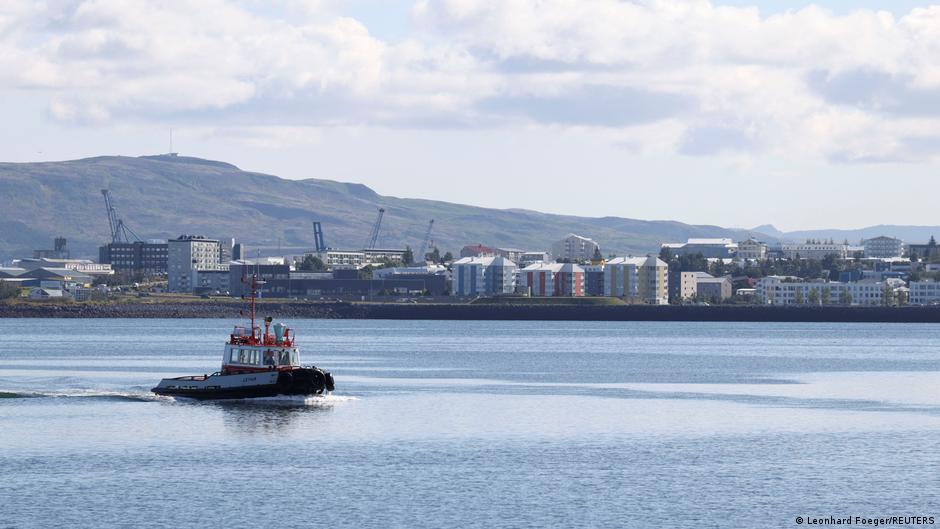
Icelanders voted on Saturday in a national referendum to decide whether the island nation should restart negotiations to join the European Union. Out of a total population of approximately 400,000 people, around 265,000 registered voters were eligible to cast ballots answering a simple yes-or-no question on reopening accession talks.
The referendum was originally planned for next year by the left-leaning coalition government that took office in 2024. However, government leaders accelerated the vote due to heightened geopolitical instability in the Arctic region, driven by Russia’s war in Ukraine and rhetoric from U.S. President Donald Trump regarding Greenland. The North Atlantic has become an arena of increasing strategic competition among major global powers, including the United States, Russia, and China, over security and maritime access.
Proponents of EU integration contend that joining the 27-member European bloc would bolster Iceland’s security and economic resilience. Icelandic Foreign Minister Thorgerdur Gunnarsdottir noted recently that “the international order that underpinned our security and prosperity for decades is under serious pressure,” arguing that smaller states must carefully consider their strategic alliances. Economists supporting membership also point out that joining the EU and potentially adopting the euro could assist in stabilizing Iceland’s economy, which has recently experienced elevated interest rates and high inflation. Some voters, such as writer Hildur Knutsdottir, expressed concern about over-reliance on traditional allies, stating, “We can’t really trust the US anymore.”
Opponents of the initiative emphasize the need to preserve national self-determination and protect local resources. Former Prime Minister Katrin Jakobsdottir remarked during an event in Reykjavik that it is “very important to maintain our sovereignty” rather than delegating authority to Brussels. A principal point of contention is the EU’s common fisheries policy. Fishing remains central to Iceland’s economy, and opponents fear that full membership would force the nation to grant European fishing fleets access to its domestic cod and haddock stocks. The government has indicated that it would seek a complete opt-out from the bloc’s fishing regulations during any potential negotiations.
Opinion polls leading up to the vote indicated an extremely tight contest. A Gallup poll conducted on Friday showed a narrow majority opposed to restarting negotiations, whereas other recent surveys indicated a slight lead for proponents. If voters approve the measure, Iceland would begin talks with the European Commission covering 35 policy sectors. A government memorandum estimates that formal discussions could commence by the end of the year and last between 18 and 24 months.
Background
Iceland gained independence from Denmark in 1944 and has built strong economic and security ties with European institutions over subsequent decades without obtaining full EU membership. In 2009, following a severe economic collapse caused by the global financial crisis, the Icelandic government formally applied to join the European Union. However, those accession negotiations stalled and were officially shelved in 2015, primarily due to disagreements over fisheries management and sovereign control over maritime resources.
Despite remaining outside the EU, Iceland is deeply integrated into European economic and travel structures. The nation is a member of the European Economic Area (EEA), which grants it access to the EU’s single market, and participates in the Schengen Area, allowing passport-free travel across participating European countries.


Leave a Reply