
London Community ‘Pay-It-Forward’ Schemes Offer Relief Amid Rising Living Costs
| Scheme mechanism | Donations from customers fund free beverages and books for anyone claiming them. |
|---|---|
| Discreet access | Businesses use clay tokens or standard gift vouchers so users can claim items without asking verbally. |
| Economic perspective | An economist described the community funds as acts of kindness that do not address underlying structural poverty. |
Independent businesses across London are operating community-funded “pay-it-forward” initiatives, offering residents quiet financial relief for everyday purchases amid broader economic pressures. The schemes allow customers to prepay for items like coffee or reading material, creating a pool of money that others can access without having to justify their need.
At Host Cafe, situated within the St Mary Aldermary church in the City of London, patrons can access complimentary beverages using a discreet system. Cafe manager Barbara Gornicka explained that customers may collect a small polymer clay heart from a display board and present it at the counter instead of verbally requesting a free drink. Gornicka noted that the process is designed to reduce potential embarrassment in front of other patrons, adding that the fund is intended for anyone who feels they need it on a given day, regardless of their overall financial standing.
For some residents, the initiative provides vital support. Paul Atherton, a filmmaker, author, and social campaigner who has experienced homelessness for 17 years, relies on the cafe’s scheme. Atherton, who receives a daily living allowance of £4 after paying £160 a month for storage, described such programs as “life-changing,” noting that a single cup of coffee can cost more than his daily budget.
Economic experts, however, emphasize the physical limits of informal aid. Joan Costa-i-Font, a professor of economics at the London School of Economics, characterized the initiatives as a “drop in the ocean” that offer “a sign of kindness” rather than resolving underlying economic difficulties.
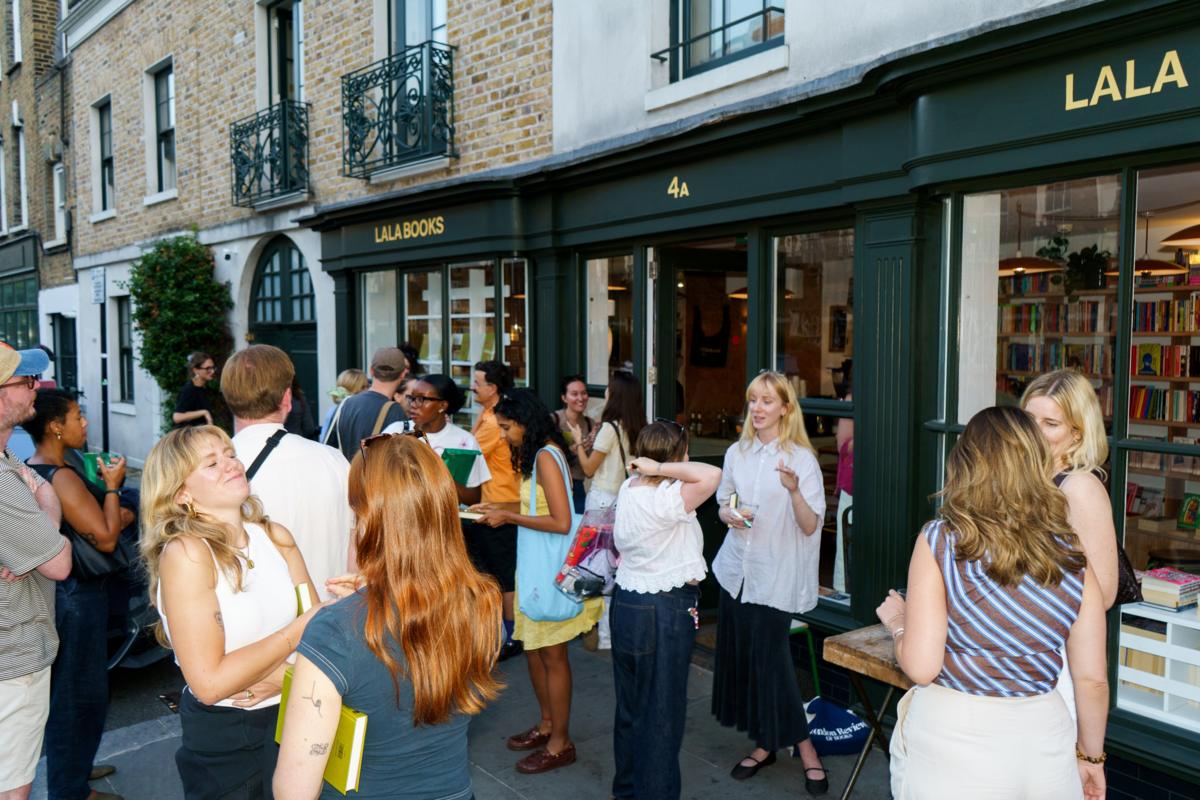
In Camberwell, south London, independent bookshop Lala Books runs a similar community fund covering part or all of the cost of books and magazines. Shop owner Danielle Moylan observed that while the fund is popular among young adults facing high rent and living expenses, many hesitate to use it because they feel they are not sufficiently disadvantaged. To make the process less visible, the shop provides envelopes containing vouchers in a back box that appear identical to standard gift cards.
Moylan stated that she does not worry about potential misuse of the open fund, viewing it as an inherent aspect of managing community contributions. The bookshop’s fund has been used for individual reading, purchasing birthday gifts, and providing 30 books to a local primary school following an initiative by local parent Gillian Lewis. According to Moylan, some individuals who rely on the fund later return to donate money when their financial circumstances improve.
Background
Pay-it-forward initiatives have expanded in urban centers as households deal with sustained increases in the cost of living. While social welfare systems provide statutory support, community-led funds aim to address everyday social inclusion by giving individuals access to non-essential consumer goods and community spaces without financial friction.


Leave a Reply