
More then hundreds missing and many feared dead after massive flash flood hits Nepal-China border
Caused by Ice Snapping Off Glacier, Scientists Say
Rasuwagadhi, Nepal — Scientists believe a massive piece of glacier may have broken away high in the Himalayas and triggered the devastating flash flood that swept through northern Nepal near the border with Tibet, killing at least 157 people and leaving hundreds missing.
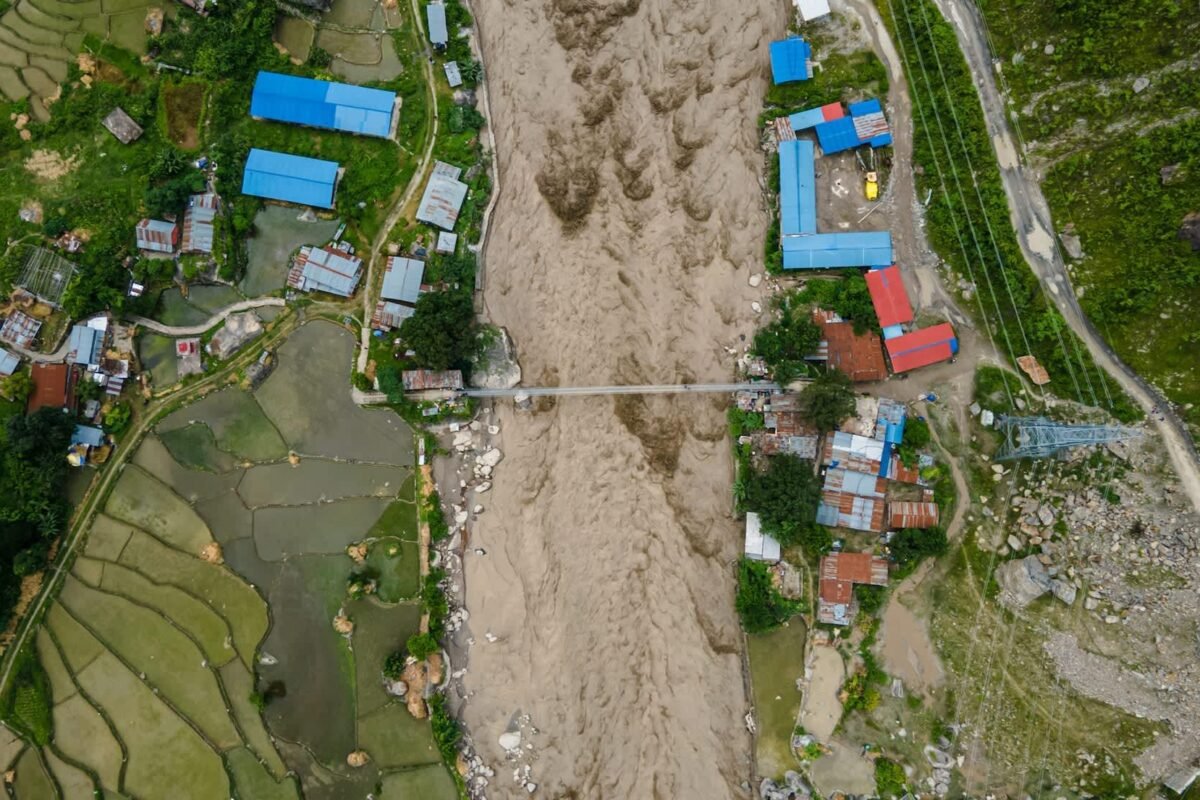
The disaster struck on Wednesday, August 26, in Nepal’s Rasuwa district, where a sudden surge of water, mud, rocks and debris tore through communities along the Bhote Koshi and Trishuli river systems.
Early investigations suggest the flood may have been caused by an ice-rock avalanche after part of a glacier collapsed at an altitude of roughly 5,200 meters.
Satellite imagery analyzed by scientists showed that a significant section of the glacier had broken away and plunged more than 1,200 meters into the valley below. The impact may have released a huge volume of ice and rock, creating a temporary blockage in the river before the trapped water suddenly surged downstream.
Scientists investigate glacier collapse
The precise sequence of events remains under investigation, but researchers say the evidence increasingly points toward a glacier-related event rather than an ordinary rainstorm.
Experts examining satellite images found signs that a large portion of a glacier had disappeared from its previous position. The collapsing ice and surrounding rock could have slammed into the valley, blocking the Lhende Khola, a tributary connected to the Bhote Koshi River.
When the natural blockage gave way, an enormous wave of water and debris may have raced downstream.
Hydrological observations showed just how quickly conditions changed. Water levels in parts of the Trishuli River reportedly rose by as much as nine meters in about 30 minutes.
That extraordinary speed left little time for communities to react.
157 dead and hundreds still missing
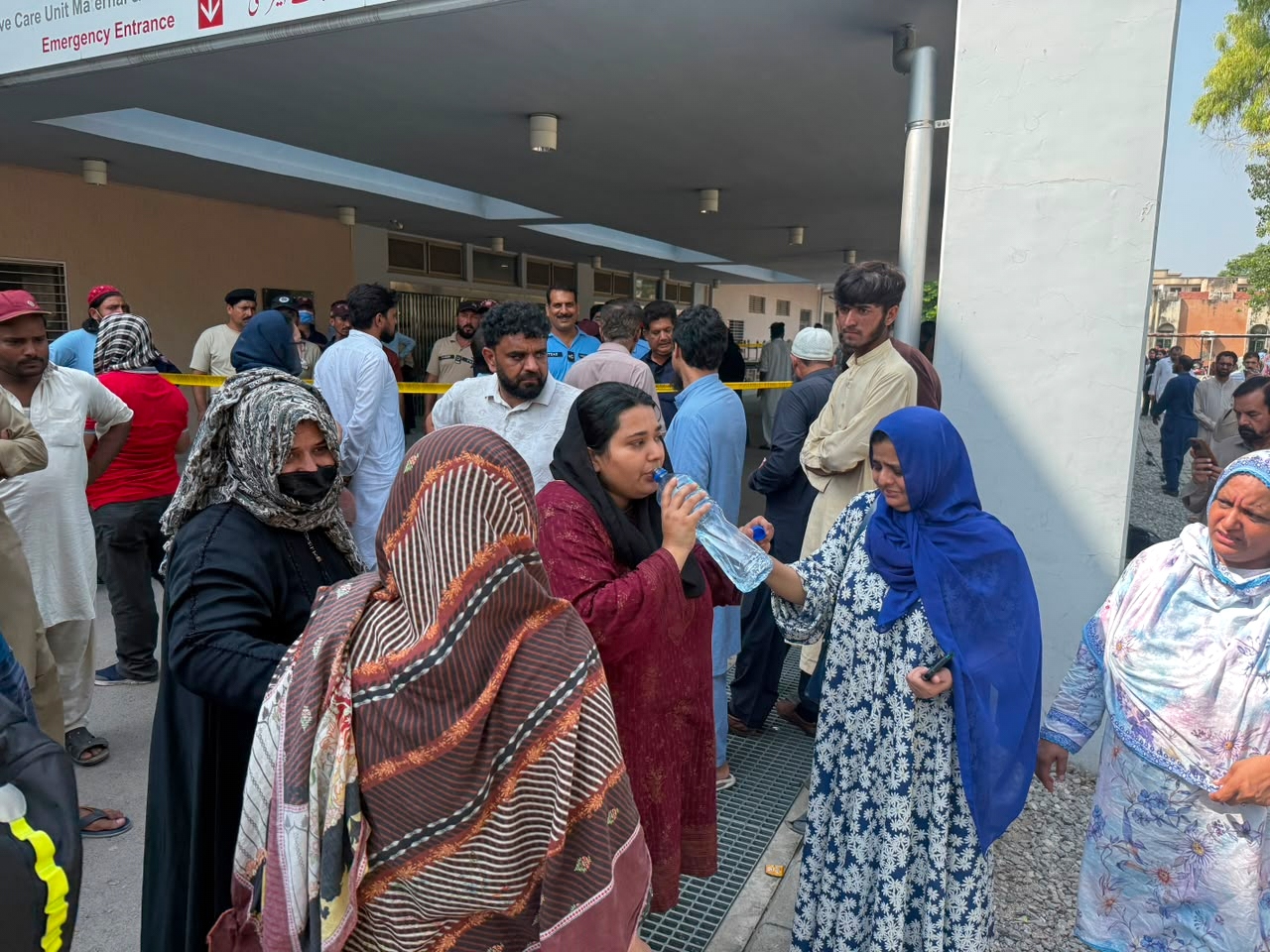
Nepal Police said at least 157 bodies had been recovered as rescue operations continued. Hundreds of people remain unaccounted for, including local residents, security personnel, tourists and foreign nationals.
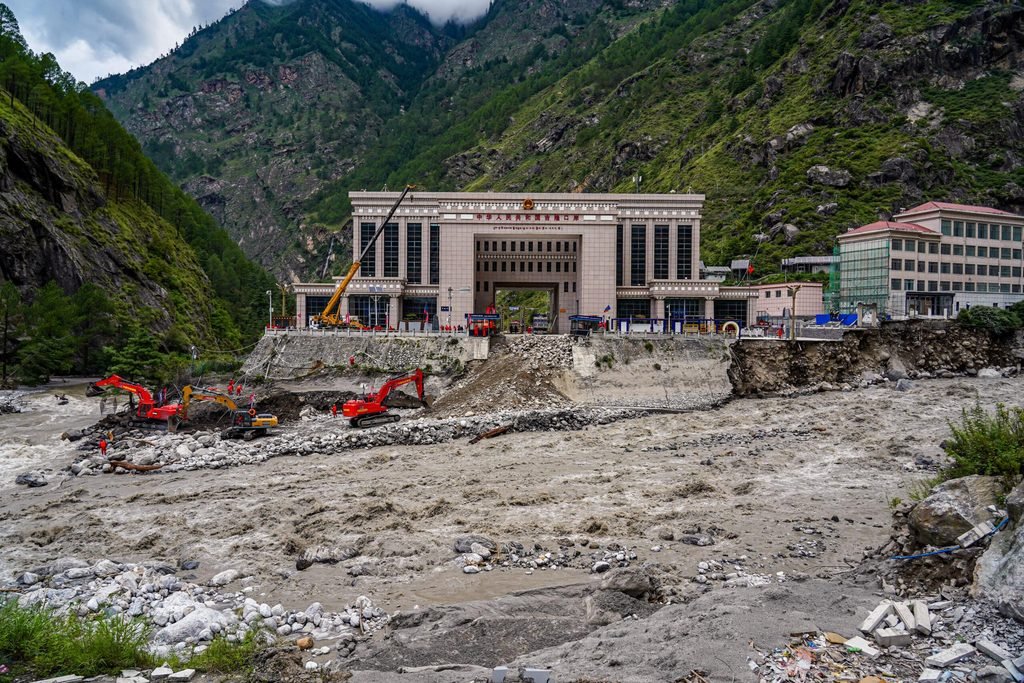
The disaster also caused major destruction along important routes linking Nepal with Tibet.
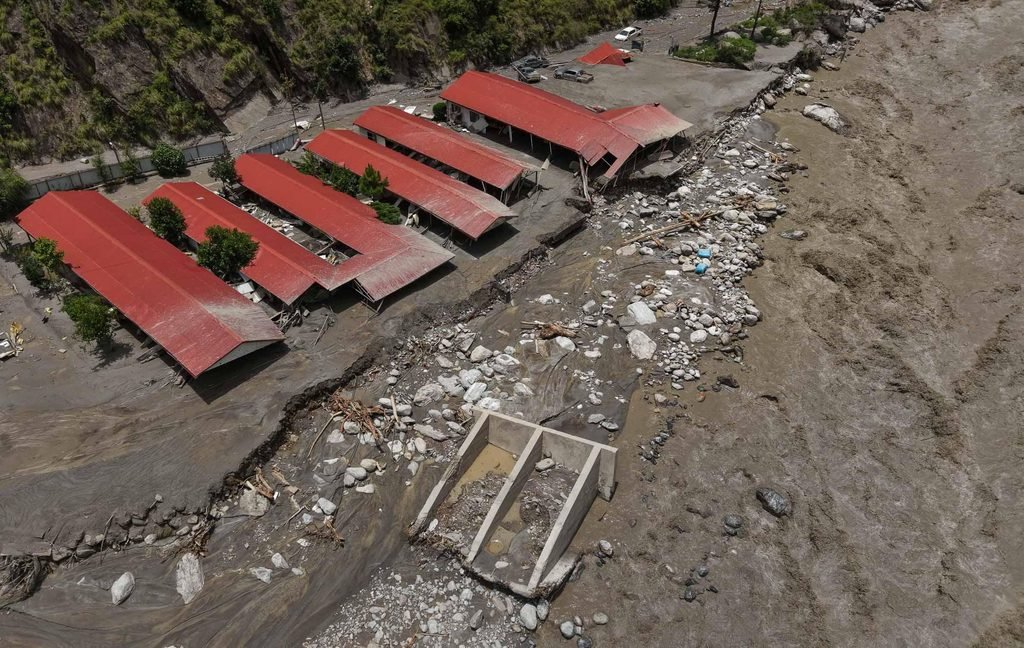
Homes, roads, bridges and hydropower facilities were damaged or swept away. Rescue teams have faced major difficulties reaching isolated communities because roads and bridges were destroyed by the flood.
The neighboring Tibet region of China has also reported deaths and hundreds of missing people following the disaster.
Was an earthquake involved?
A magnitude 4.4 seismic event was recorded in the region around the time of the disaster, leading to early speculation that an earthquake might have triggered the glacier collapse.
However, scientists caution that the seismic signal may have been produced by the massive movement of ice and rock itself rather than by a conventional tectonic earthquake.
Researchers are continuing to examine satellite imagery, seismic records and river data to determine exactly what caused the glacier to collapse.
Climate change raises concerns
The disaster has also renewed concerns about the growing instability of Himalayan glaciers.
Scientists say rising temperatures are causing glaciers across the Himalayas to lose ice and retreat. As glaciers shrink, slopes and ice formations can become increasingly unstable, potentially increasing the risk of sudden collapses, avalanches and glacial floods.
Nepal has experienced other glacier-related disasters in recent years. A major flood in the same border region in 2025 was linked to the sudden release of water from a glacial lake.
Experts warn that communities living in narrow Himalayan valleys can be particularly vulnerable because enormous amounts of water and debris can travel downstream at extreme speeds.
Rescue efforts continue
Nepalese authorities have deployed security personnel and rescue teams to search for missing people and provide assistance to survivors. Damaged infrastructure and difficult mountain terrain are slowing operations.
India and China have also offered assistance as Nepal responds to the disaster.
Officials continue to warn people living downstream to remain alert as river conditions can change rapidly.
For scientists, the catastrophe is also an urgent reminder of how difficult it can be to predict sudden glacier-related disasters in the Himalayas.
The exact cause of the flood has not yet been conclusively established, but satellite evidence increasingly suggests that a massive collapse of ice and rock played a central role.

Leave a Reply