
Moroccan Security Prevents Mass Migration Crossing into Spanish Enclave of Ceuta
| Security Deployment | Moroccan police arrested 111 people and deployed water cannons, patrol boats, and checkpoints on August 15 to prevent a planned mass border crossing. |
|---|---|
| July Border Breach | An estimated 72,000 people attempted to cross from Morocco into Ceuta on July 30, resulting in approximately 100 deaths. |
| Migrant Conditions | Between 2,000 and 8,000 people remain in Ceuta living on beaches and awaiting Spanish administrative decisions, while most have returned to Morocco. |
Following social media calls for a coordinated border crossing on Aug. 15, heavy security deployments prevented a repeat of a massive July migration attempt from the Moroccan border city of Fnideq into the Spanish enclave of Ceuta. Eyewitnesses reported Moroccan authorities placed checkpoints, deployed patrol boats along the coast, and positioned water cannons near the border line around Ceuta and Melilla, another Spanish territory to the east. Moroccan police reported arresting 111 individuals attempting to enter Ceuta on Aug. 15, effectively thwarting the planned mass crossing.
The heightened security followed an event on July 30, when an estimated 72,000 people crossed from Morocco into Ceuta. That attempt resulted in the deaths of approximately 100 people. Although most of those who successfully entered the enclave have since returned to Morocco, reports indicate that between 2,000 and 8,000 remain in Ceuta. Many are living in difficult conditions, including sleeping on beaches, while waiting for Spanish officials to determine their legal status.
Despite the heightened security and the dangers involved, prospective migrants continue to gather in Fnideq. Some traveled there after seeing online videos encouraging participation in border pushes. Ahmed al-Dafri, a Moroccan expert on media and culture, described the calls as “a new model of digital mobilization” that operates without a central leader or authority. He noted that widely circulated videos documenting prior successful crossings can create a perception that migration is universal, leading individuals to feel excluded if they do not join.
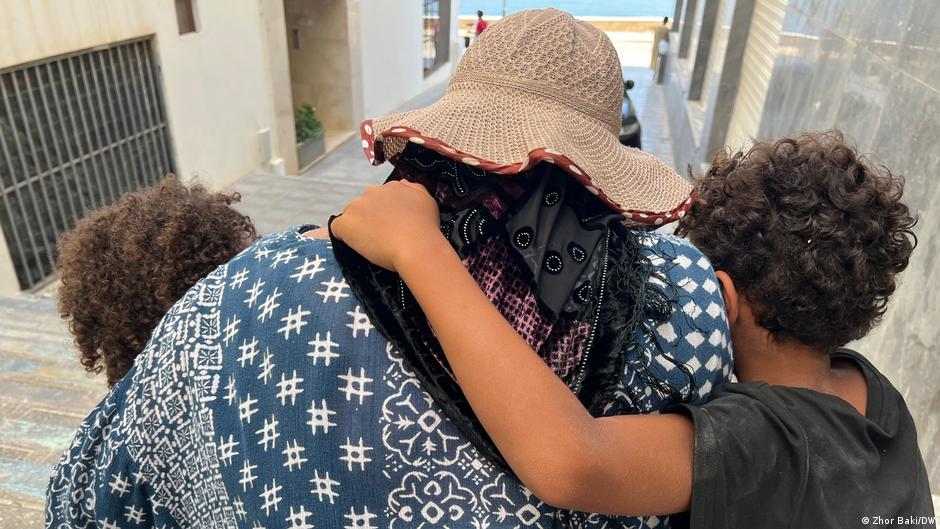
Among those waiting in Fnideq is Malika, a mother of two from Casablanca who traveled north after learning about the July 30 crossings. She has been sleeping in the open with her three-year-old daughter and eight-year-old son while searching for food. She explained that she hopes to reach Ceuta so her children can attend school and receive support, citing severe poverty and lack of stable housing in Morocco.
Similarly, 22-year-old Ahmed Amhid moved to Fnideq from Oued Zem to seek an opportunity to leave the country. Selling drinks on the street, Amhid stated that there are no job opportunities in his hometown. Conversely, some locals express caution. Mohamed al-Dami, a 30-year-old resident, stated he would not risk entering the sea, noting that morale dropped significantly after many who entered Ceuta were returned to Morocco.
Background
Ceuta and Melilla are two Spanish autonomous cities located on the northern coast of Africa, sharing land borders with Morocco. They represent the only direct land borders between the European Union and an African nation. As a result, the enclaves frequently serve as primary transit points for migrants and asylum seekers aiming to reach European territory. Border security along these perimeters is jointly managed through cooperation between Spanish and Moroccan security forces.

Leave a Reply