
Over 680 Dead and Thousands Missing Following Flash Floods in Nepal and Tibet

| Confirmed Deaths | 682 total (675 in Nepal, 7 in Tibet) |
|---|---|
| Missing Persons | Nearly 3,000 (2,426 in Nepal, 554 in Tibet) |
| High-Risk Groups | 933 hydropower workers and at least 777 foreigners missing |
| Impact & Rescues | Over 3,700 rescued; at least 93,000 people affected |
| International Assistance | Nepal requests freezers, DNA testing, and technical tunnel rescue teams |
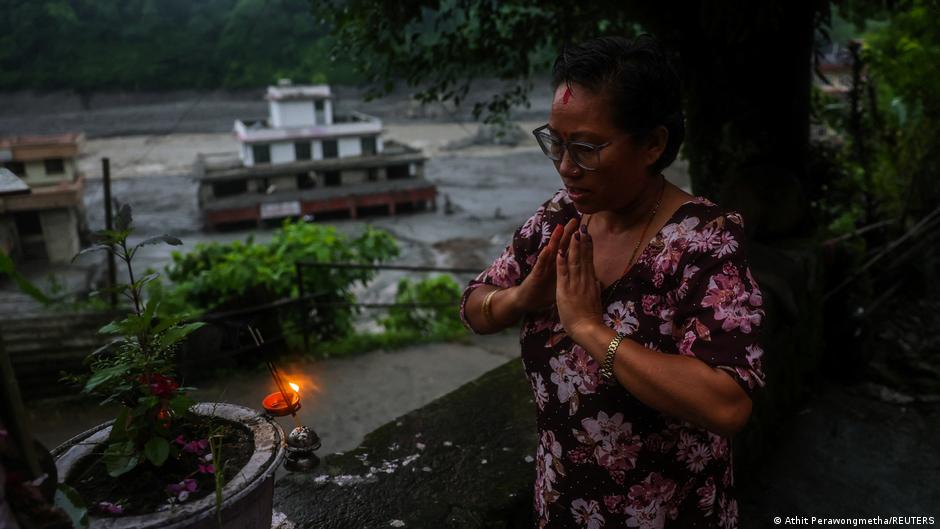
The death toll from widespread flash flooding across Nepal and Tibet has risen to 682, as emergency services navigate ruined infrastructure in a search for nearly 3,000 missing people. Disaster management officials in Nepal reported that 675 deaths have been confirmed within the country, updating an earlier count of 669. Chinese state media, Xinhua, reported seven confirmed fatalities across the border in Tibet, where information flow remains strictly regulated by government authorities.
Disaster agencies report that 2,426 people are missing on the Nepalese side of the border, alongside 554 individuals missing in Tibet. The total list of missing persons includes at least 777 foreign nationals and 933 workers employed at various hydroelectric power stations situated along the inundated river valley.
Rescue efforts are currently prioritized at major infrastructure locations, particularly the Trishuli 3A and Trishuli 3B hydroelectric sites. Rescuers from the Nepalese military have fed air pipes into mud-filled tunnels in an attempt to sustain trapped project workers. Emergency workers have managed to reach one affected hydropower site to plan subsequent extraction steps. According to the Red Cross, over 3,700 people have been rescued in Nepal so far, but the disaster has affected at least 93,000 people across the region.
To cope with the disaster, the Nepalese Ministry of Foreign Affairs has appealed to neighboring nations for specialized technical assistance. Requested aid includes specialized equipment for opening collapsed tunnels, advanced technology for locating living victims beneath debris, rapid forensic and DNA analysis facilities, and freezers to properly store human remains. India has mobilized an 11-member technical reconnaissance team to assist with tunnel rescues, and a similar team from China is scheduled to arrive soon.
Nepal’s Foreign Minister, Shisir Khanal, indicated that long-term reconstruction efforts would require substantial financial support, estimating costs could reach “billions of dollars” following formal damage assessments. Meanwhile, members of the Nepali diaspora, such as New York business owner Tsomo Dasel, expressed frustration with the international response, describing a $500,000 emergency relief pledge from the US State Department as inadequate for a crisis of this magnitude, remarking: “It’s a joke – if you don’t want to do anything, then don’t do it.”
Background
Hydroelectric power infrastructure along cross-border river basins in the Himalayas frequently places large numbers of industrial workers in remote, high-risk valleys during sudden weather events. Flash floods in the high-altitude terrain spanning Nepal and Tibet can rapidly sever transport links and isolate communities across international borders, complicating emergency operations and requiring coordinated international rescue responses.


Leave a Reply