
Power Outage Delays SMU-Florida State Kickoff
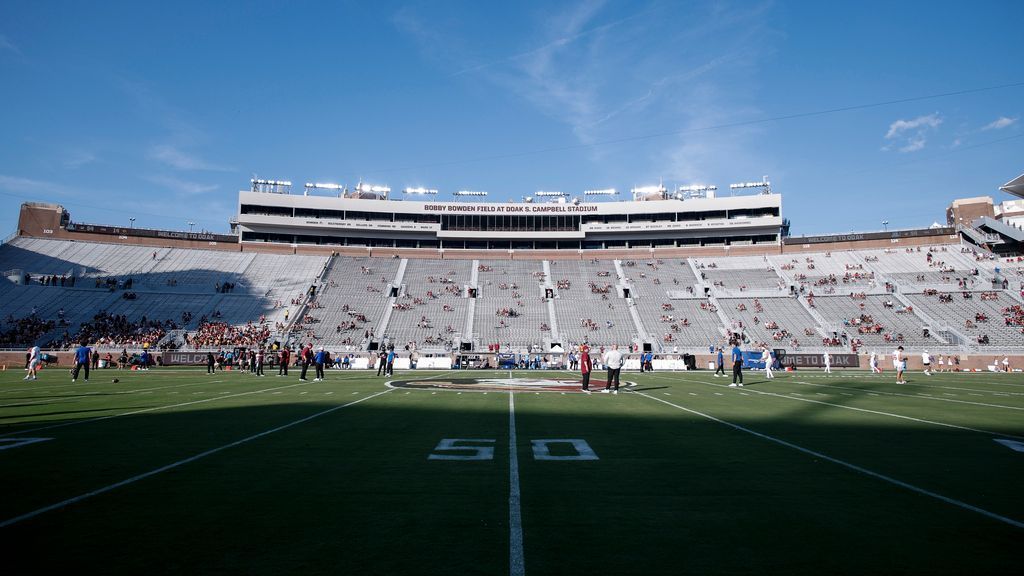
| Location | Doak Campbell Stadium, Tallahassee, Florida |
|---|---|
| Event | College football game between Florida State and SMU |
| Delay duration | 1 hour, 45 minutes |
| Cause | Busway short circuit causing electrical surge and transformer failure |
| Temporary solution | Four generators installed on stadium's ninth floor and power redistributed |
A major power failure at Doak Campbell Stadium in Tallahassee, Florida, delayed the college football match between Florida State University and Southern Methodist University (SMU) by 1 hour and 45 minutes on Monday evening. The outage occurred four minutes and 40 seconds before the scheduled kickoff, blacking out the stadium’s west side and forcing administrators to deploy emergency backup power before play could begin.
Despite the disruption, school leaders, conference officials, and coaches agreed to start the contest under reduced power once basic lighting was secured. The teams competed without several standard stadium technologies, relying on manual timekeeping and off-site video review during the initial stages of the game.
Cause of the System Failure
Florida State officials determined that the blackout was caused by an electrical short circuit within a stadium busway. The short triggered a sudden electrical surge through the facility’s power infrastructure, placing heavy stress on a transformer and causing it to fail completely. The breakdown left the west side of the venue without electricity, leaving players, coaching staff, and administrators uncertain whether the game could proceed safely.
As technicians moved to isolate the faulty equipment, both teams left the field and returned to their locker rooms. Atlantic Coast Conference (ACC) commissioner Jim Phillips met with school administrators, game officials, and facility managers to assess the situation. Phillips stated that safety agencies were consulted to ensure conditions remained safe for spectators and participants before any decision was made to play.
Contingency Planning and Temporary Solutions
While technicians evaluated the damage, officials discussed several backup scenarios. Potential options included postponing the matchup until Tuesday or rescheduling the contest by altering future non-conference fixtures on both teams’ schedules later in the season. However, postponement was avoided after maintenance workers implemented a temporary workaround.
Crews installed four portable generators on the stadium’s ninth floor and rerouted electrical power from another section of the facility. This setup generated sufficient illumination across the field, allowing both head coaches—Florida State’s Mike Norvell and SMU’s Rhett Lashlee—to proceed with the game.
“We’re just going to play old-school football,” said SMU athletic director Damon Evans during the delay, while Lashlee noted that his players were willing to accept the wait to play their scheduled fixture.
Field Operations and Restored Systems
The outage disabled multiple technological systems standard in modern college football. Sideline Wi-Fi was unavailable, preventing coaches and players from using tablet computers to review plays. Inside-helmet communication systems used by coaches and quarterbacks failed, as did stadium game clocks, video replay screens, and the stadium’s internal replay booth.
To keep time during the early stages of the game, the chief referee kept the official clock on the field, while dedicated ACC staff members provided time updates directly to each coaching staff. For officiating reviews, on-field personnel communicated via walkie-talkie with the ACC’s centralized replay command center located in Charlotte, North Carolina.
Conditions improved as the game progressed. Stadium electricians managed to restore the field game clocks with roughly five minutes remaining in the second half, and helmet communications were re-established as the match continued.
Background
Doak Campbell Stadium, located in Tallahassee, serves as the home venue for the Florida State Seminoles football team. Modern American college sports venues rely heavily on electronic infrastructure, including sideline tablet video reviews introduced across top-tier conferences, direct coach-to-player helmet communication links, and centralized video replay command centers to assist on-field referees.


Leave a Reply