
UK’s Rarest Raptor Raises Six Chicks at Secret Location
| Species | Montagu's harrier |
|---|---|
| Offspring | 6 chicks reared across 2 nests |
| Location | Undisclosed farmland in England |
| Parentage | Single male ("AU") mated with 2 females |
| New measures | Satellite tracking devices attached to 2 chicks |
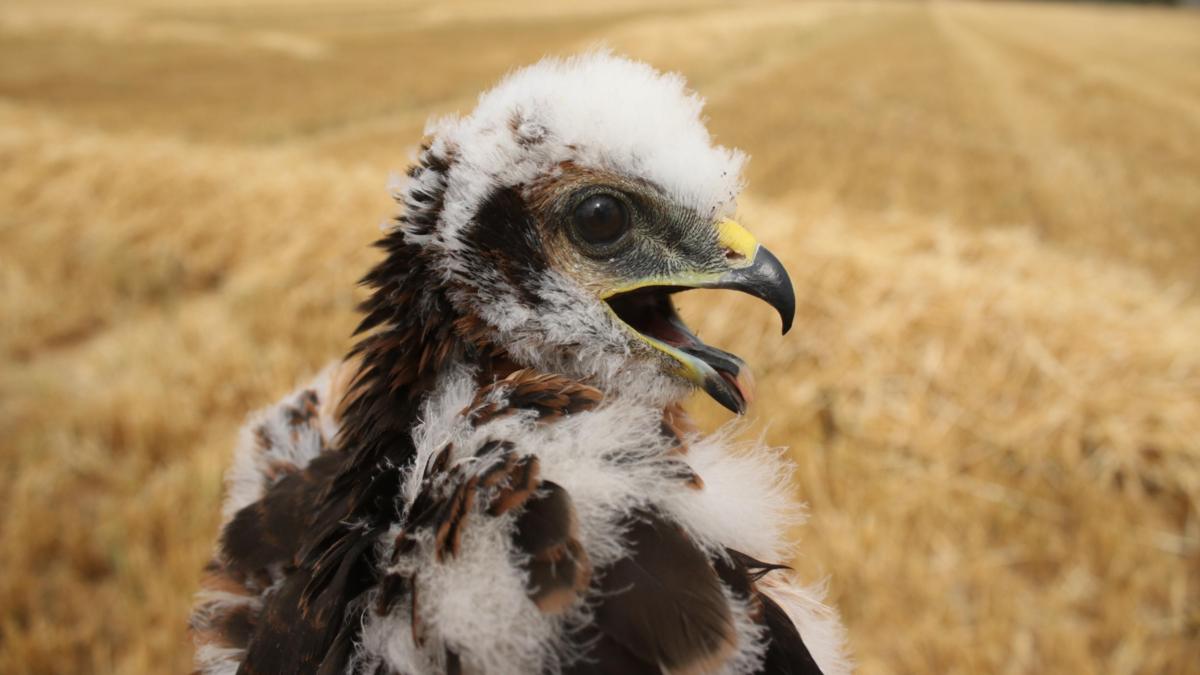
The United Kingdom’s rarest bird of prey, the Montagu’s harrier, has successfully raised six chicks at an undisclosed site in England, marking the second consecutive year that the species has bred at the location, the Royal Society for the Protection of Birds (RSPB) reported.
All six fledgling birds were fathered by a single male harrier, known to conservation researchers by the identifier “AU,” who mated with two separate females during the summer breeding season. The male bird carried out intensive hunting duties to provide food for two active nests simultaneously. Observers from the BBC, who were granted exclusive access to the nesting area, documented the raptors’ aerial feeding routine, during which the male drops caught prey in mid-air and the female rolls upside down in flight to catch the food in her talons.
Because Montagu’s harriers build their nests directly on the ground inside growing crops on agricultural land, the nests are particularly vulnerable to farm machinery and ground-dwelling predators such as foxes. To safeguard the breeding attempt, RSPB personnel partnered with the local farmers who manage the land to build protective fences around both nest structures.
An RSPB spokesperson stated that the charity is “doing our absolute utmost to save this iconic species in the UK” and expressed enthusiasm over the six newly flying juveniles. In an effort to improve future protection measures, researchers fitted two of the young chicks with satellite tracking tags before they fledged, marking the first time the organization has deployed satellite technology on juveniles of this species.
The slender, long-winged raptors undertake an annual migration to wintering grounds in Africa before returning across Europe in the summer to nest. However, wildlife scientists currently possess limited information regarding the movements and survival rates of young harriers after they leave their birth nests.
Mark Thomas, head of investigations at the RSPB, explained that the new tracking devices will allow researchers “to work out where they’re going” and determine whether the young birds return to the UK in their first or second year. Thomas remarked that “All of that information is the bit that’s missing from the jigsaw.”
Thomas also warned that climate change is compounding risks for the endangered raptors. He noted that the crop harvest at the breeding site took place approximately one month earlier this year than in prior years, creating a severe danger that farm machinery could accidentally destroy ground nests before the young birds reach maturity. To assist in monitoring efforts, conservationists have asked birdwatchers to report any sightings of the young harriers via email to the RSPB’s dedicated monitoring address.
Background
Montagu’s harriers are among the most endangered breeding birds in the United Kingdom, leading to their placement on the country’s conservation red list in 2021. The red list categorizes species facing the highest risk of local extinction and requiring urgent conservation action.
The UK population of the species has experienced a dramatic downturn over the past decade. In 2011, conservationists recorded nine successful Montagu’s harrier nests across the country, representing a recent high point. However, numbers subsequently plummeted, with official monitoring showing no evidence of successful breeding between 2020 and 2024 prior to recent intensive field protection efforts.


Leave a Reply