
Mediators Report Progress in US-Iran Talks as Oman and Iran Propose Hormuz Transit Plan
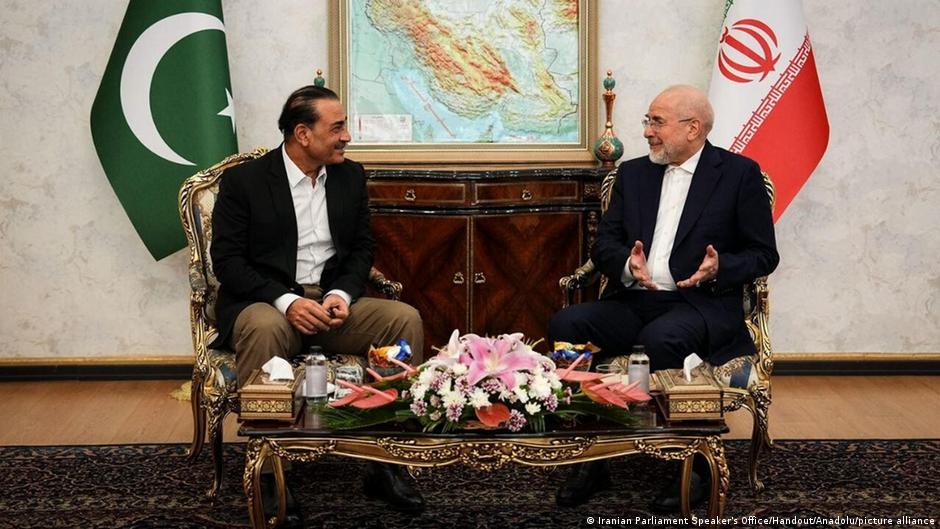
| Mediation Efforts | Pakistan, Qatar, and Oman are coordinating draft proposals between Washington and Tehran. |
|---|---|
| Strait of Hormuz | Iran and Oman proposed a temporary joint transit corridor and mine-clearing initiative. |
| US Diplomatic Presence | Reports indicate US plans to return evacuated diplomats to Middle Eastern posts. |
| Syria Integration | The Kurdish-led Syrian Democratic Forces announced their dissolution and integration into state forces. |
Regional diplomatic efforts to end the conflict involving Iran, the United States, and Israel showed signs of movement on Tuesday, as mediators reported progress in discussions and regional leaders proposed safety measures for shipping in the Persian Gulf. Pakistan, Qatar, and Oman are actively coordinating to exchange draft peace proposals between Washington and Tehran, according to Qatari officials.
As part of these diplomatic efforts, the foreign ministers of Iran and Oman announced discussions on a phased framework to establish a temporary shipping corridor through the Strait of Hormuz. The joint plan between Iranian Foreign Minister Abbas Araghchi and Omani Foreign Minister Badr al-Busaidi includes a collaborative project to clear sea mines from the waterway. Busaidi stated online that he hoped both nations would “soon announce” the temporary transit corridor, though details regarding usage conditions and financial terms remain unresolved. The strategic passage recently recorded its lowest daily vessel count since May.
Concurrently, Qatar criticized newly imposed US financial measures against Tehran, describing them as unilateral actions that complicate peace efforts. Qatari officials reiterated that maritime conditions in the Strait of Hormuz should return to pre-conflict status while rejecting efforts by Iran to involve neighboring states in the fighting. Meanwhile, US Treasury Secretary Scott Bessent indicated that Washington is expanding sanctions against networks turning Iranian crude oil into revenue, an initiative described by the administration as a broader economic crackdown.
In another potential sign of shifting security assessments, the United States is preparing to return diplomatic personnel to several Middle Eastern posts, according to a report by The New York Times. The report stated that Foreign Service officers who were evacuated prior to the outbreak of hostilities could begin returning as early as this week to embassies in countries including Israel, Saudi Arabia, Qatar, Jordan, and Iraq. The US State Department acknowledged that it was adjusting regional staffing levels based on ongoing security evaluations.
Separately, US authorities confirmed an investigation into security threats targeting Barron Trump, the youngest son of President Donald Trump. The US Secret Service said it was reviewing a three-minute video broadcast by an Iranian state network that detailed the 20-year-old’s university location and security detail.
Beyond the direct US-Iran hostilities, major political shifts occurred in neighboring Syria. Mazloum Abdi, commander of the US-backed Syrian Democratic Forces, announced the complete dissolution of the group and its associated Kurdish Autonomous Administration in northeastern Syria. Abdi stated that the forces would be integrated into the Syrian national army under an agreement reached with Syrian President Ahmed al-Sharaa.
Background
The Middle East has experienced heightened military conflict involving Iran, Israel, and the United States, disrupting international shipping lanes through the Strait of Hormuz. The strait serves as a vital maritime passage for global energy supplies, where naval blockades and sea mines have drastically reduced commercial traffic in recent months.
In Syria, the Syrian Democratic Forces (SDF) were established in 2015 as an alliance of Kurdish and Arab fighters. Backed by the United States, the group served as the principal ground force against the Islamic State in northeastern Syria, where it subsequently established a self-governing regional administration.


Leave a Reply