
UK Pledges £442 Million to Help End Rough Sleeping

| Funding commitment | £442 million over three years in England |
|---|---|
| Target timeline | Offer accommodation options to rough sleepers by Christmas |
| Local rise in Harlow | Average nightly rough sleeping up 30% year-on-year to July 2026 |
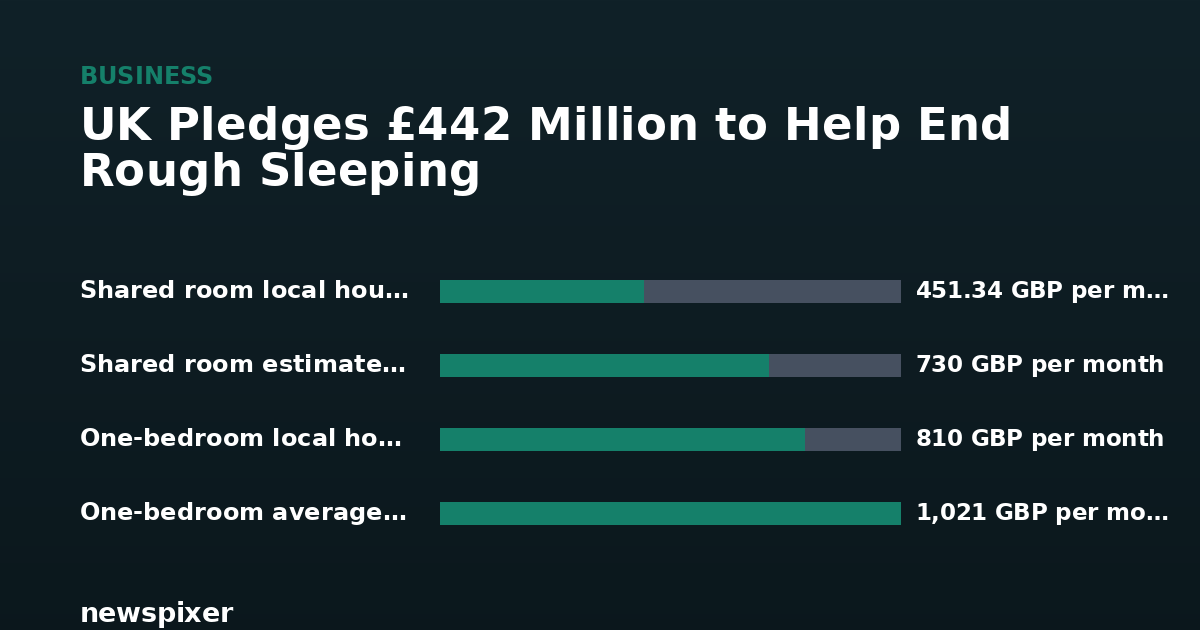
| Rent gap in Harlow | Average one-bedroom rent of £1,021 exceeds £810 housing allowance |
The British government has committed £442 million in extra funding over three years to eliminate rough sleeping across England, setting a goal to provide housing pathways for individuals living on the streets ahead of Christmas. However, homelessness charity workers and former rough sleepers warn that emergency shelter will not solve the underlying crisis without ongoing mental health and social support.
The push includes emergency housing provisions alongside promises of healthcare and broader social assistance. Despite these commitments, frontline care providers caution that short-term housing interventions risk failing if individuals with complex personal challenges are left without continuous medical and professional assistance.
Rising Numbers and Housing Affordability Gaps
In the town of Harlow in Essex, the local homelessness charity Streets2Homes reported supporting 31 people living outdoors. Data from the charity shows that the average nightly count of rough sleepers in Harlow during the 12 months leading to the end of July 2026 grew by 30 percent compared to the prior 12-month period.
Charity directors point to rising living costs and a growing gap between public welfare benefits and market rent levels. In Harlow, the government’s local housing allowance provides £451.34 per month for a room in a shared property, whereas market rates for shared rooms average roughly £730 per month. For a single-bedroom home, the monthly allowance stands at £810, while Office for National Statistics figures from July showed average monthly rents in the area reaching £1,021.
Complex Personal Needs Require Long-Term Care
Former rough sleeper Bill Lewis spent the winter of 2017 living in a tent in Harlow while working night shifts at a local warehouse and struggling with cocaine addiction. Although Streets2Homes assisted him into temporary housing in December of that year, he relapsed shortly after and spent another five months living on the street in 2018 before finding long-term stability through the charity and religious support.
Now working as an outreach worker, Lewis noted that people living on the street are presenting increasingly severe and complex support needs. He voiced skepticism about whether broad government initiatives will achieve lasting success without intensive follow-up care, asking “what’s next after that?” regarding long-term support once initial shelter is provided.
Accommodation Initiatives and Policy Response
Streets2Homes provides specialized supported accommodation across two cottages containing nine bedrooms, staffed by on-site workers from morning until midnight and supported by overnight on-call assistance. Over seven years of operating these cottages, only five residents have returned to living on the streets. In June, the charity expanded its capacity by acquiring eight single-bedroom modular units donated by the developer Hill Group.
Chris Vince, the Labour Member of Parliament for Harlow and a former outreach worker with the charity, stated that rapid emergency rehousing was proven possible during the pandemic. While supporting a “housing-first approach” to secure shelter quickly, he emphasized that he has urged Housing Secretary Angela Rayner to ensure the policy includes sufficient long-term funding for mental health nurses and specialized support services.
Background
Rough sleeping in England has historically fluctuated alongside wider economic conditions, welfare policy changes, and housing availability. During the COVID-19 pandemic, public authorities initiated rapid rehousing initiatives to take individuals off the streets. The current government commitment allocates £442 million over three years to secure both emergency accommodation and wrap-around welfare services aimed at preventing individuals from returning to street homelessness.


Leave a Reply