
Iran Faces Deepening Economic Strain Six Months Into Conflict With US and Israel

| Conflict Start | US and Israel launched a joint military campaign against Iran on February 28, 2026. |
|---|---|
| US Sanctions Push | US Treasury launched Operation Economic Outcast on August 24, 2026, targeting Iranian oil and finance. |
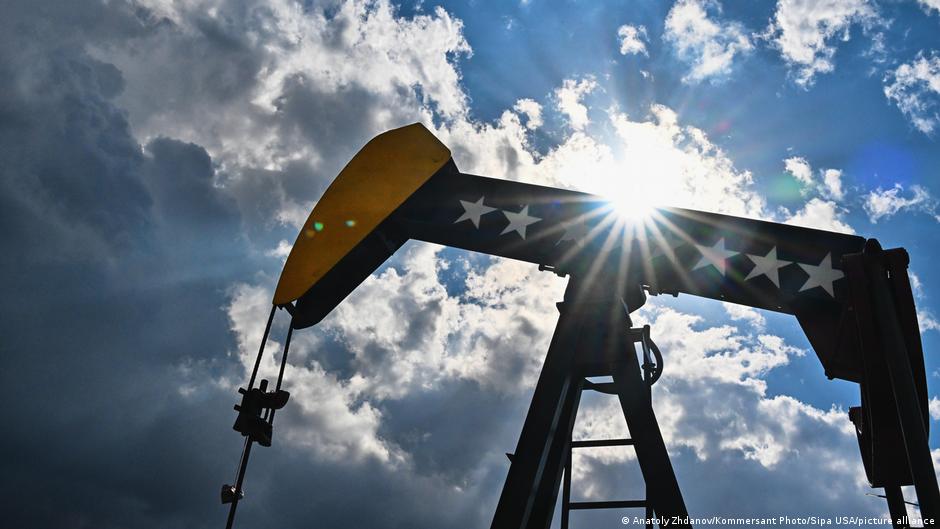
| Oil Export Decline | Iranian crude oil exports fell from 1.8 million barrels per day before the war to under 500,000. |
| Economic Indicators | Inflation is near 90 percent, and food prices have more than doubled over the past year. |
| Leadership Status | Mojtaba Khamenei succeeded late Supreme Leader Ali Khamenei but has not made a verified public appearance in six months. |
Six months after the United States and Israel launched a joint military campaign against Iran on February 28, 2026, Washington has shifted its focus from aerial strikes to an intensified economic blockade. The campaign has severely strained Iran’s domestic economy, severely disrupted international shipping, and exposed growing political divisions within Tehran’s governing leadership.
Following a suspension of US military strikes in early August, the US Department of the Treasury introduced “Operation Economic Outcast” on August 24. The initiative represents an expansion of Washington’s broader “Economic Fury” strategy, aiming to cut off Iran’s remaining international financial channels. The campaign aggressively enforces secondary sanctions against entities transporting Iranian crude oil, targeting the country’s clandestine maritime shipping operations and banking networks. As a result, Iranian crude oil exports have fallen from approximately 1.8 million barrels per day prior to the conflict to fewer than 500,000 barrels per day. Iran’s national inflation rate is currently approaching 90 percent, and food prices have more than doubled over the past year.
The economic pressure is compounded by maritime disruptions. Iran closed the Strait of Hormuz on February 28 in retaliation for the initial strikes. Six months later, the waterway remains closed and combined with an international naval blockade, severely curtailing Iran’s trade access.
The conflict has also significantly altered Iran’s top political and military command structures. Former Supreme Leader Ali Khamenei was killed in the opening strike of the war. Just over a week later, his son, Mojtaba Khamenei, was named as his successor. However, six months into the conflict, the younger Khamenei has yet to make any verified public appearances, despite decrees being issued under his name and his image being displayed at public ceremonies.
The military high command was similarly disrupted when the initial strikes killed Islamic Revolutionary Guard Corps (IRGC) commander Mohammad Pakpour and armed forces chief of staff Abdolrahim Mousavi. On August 10, official decrees issued in Mojtaba Khamenei’s name appointed Ahmad Vahidi as IRGC chief and Ali Abdollahi as chief of staff.
Economic degradation has deepened internal debate among Iranian officials. President Pezeshkian, who previously signed a memorandum with Washington in June, publicly stated that national economic hardships have “multiplied several times over” due to declining state revenues. On August 21, Pezeshkian suggested it would be “better to end [the war] today, while we are in a position of strength,” while his administration prepares the public for increases in domestic fuel prices. Parliament speaker and chief negotiator Mohammad Bagher Ghalibaf also warned of the limits of military power if economic circulation collapses.
Background
The 2026 military campaign followed years of escalating regional confrontation across the Middle East. Tensions increased sharply after October 7, 2023, following Israel’s military operations in Gaza, which escalated into broader regional clashes and led to a 12-day direct war between Israel and Iran in June 2025.
Prior to the outbreak of direct military action in February 2026, Iran was already subject to extensive long-term economic sanctions, including measures implemented during the US “maximum pressure” campaign originating nearly eight years earlier, as well as United Nations Security Council resolutions dating back to 2006. Bilateral agreements, including a 25-year, $400 billion economic arrangement with China and a strategic treaty signed with Russia in early 2025, failed to fully offset the economic impact of international isolation.


Leave a Reply