
Japanese Avant-Garde Artist Yayoi Kusama Dies at Age 97
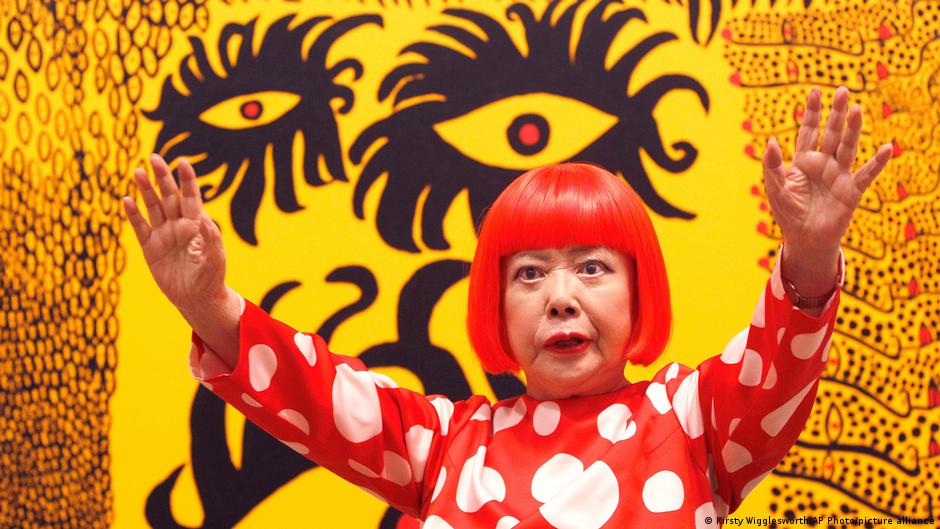
| Full name | Yayoi Kusama |
|---|---|
| Dates | March 22, 1929 – August 14, 2026 |
| Place of death | Tokyo, Japan |
| Signature artistic elements | Polka dots, Infinity Mirror Rooms, pumpkin sculptures, soft phallic sculptures |
| Major milestones | Venice Biennale presentations (1966, 1993), record auction sales for living female artists |
Renowned Japanese avant-garde artist Yayoi Kusama has died at the age of 97 in a Tokyo hospital. Her management company, Yayoi Kusama Inc., announced on Thursday that the artist passed away on August 14. Known worldwide for her signature polka dots, pumpkin sculptures, and mirror-filled installations, Kusama continued to create art until her final days.
Born on March 22, 1929, in Matsumoto, Japan, Kusama began experiencing visual hallucinations at around ten years old, seeing repetitive patterns of dots and nets enveloping her surroundings. She used painting as a therapeutic coping mechanism to channel these visions, despite firm opposition from her mother. During World War II, at age 13, she was conscripted to produce army parachutes. She later studied traditional Japanese painting in Kyoto before rejecting family pressure toward an arranged marriage.
In 1958, Kusama moved to New York City with support from artist Georgia O’Keeffe. She became a prominent figure in the 1960s avant-garde scene, creating “Infinity Net” canvases and soft sculptures shaped with phallic forms. She also staged provocative anti-war performance pieces known as “happenings,” which featured polka-dot body painting, public nudity, and political statements, including a protest wedding in 1968.
At the 1966 Venice Biennale, Kusama staged an uninvited installation titled “Narcissus Garden,” placing 1,500 reflective spheres outside the exhibition grounds and selling them for two dollars each until organizers stopped her. Though her work paralleled and influenced contemporaries such as Andy Warhol and Claes Oldenburg, her male counterparts achieved far greater commercial success, contributing to severe personal distress and an attempted suicide.
Kusama returned to Japan in 1973 and voluntarily checked into a Tokyo psychiatric facility, where she lived and worked for the remainder of her life. She represented Japan officially at the 1993 Venice Biennale, marking a major turning point in her international critical reputation.
In her later years, Kusama gained unprecedented global popularity. Her immersive “Infinity Mirror Rooms” generated long waitlists and record visitor numbers at international museums, including London’s Tate Modern and The Broad in Los Angeles. Her works also achieved multi-million-dollar sales at auctions, including a 2014 sale of a 1960s painting for $7.1 million.
Background
Kusama belonged to a pivotal generation of mid-20th-century artists who connected fine art, pop art, and minimalism. Her conceptual philosophy of “self-obliteration”—using repeating patterns to dissolve the individual subject into the surrounding environment—stemmed directly from her lifelong mental health struggles and childhood hallucinations.
Though marginalized in the male-dominated art market during her early career in New York, Kusama experienced a major global resurgence later in life. Her immersive installations became cultural touchstones in the social media era, drawing massive global exhibition audiences.


Leave a Reply