
New York City Imposes One-Year Ban on Generative AI for Younger Students
| Affected Group | NYC public school students in eighth grade and below (approx. 600,000 children) |
|---|---|
| Ban Duration & Scope | One-year moratorium halting ~40 classroom AI tools; companion chatbots banned across all grades |
| High School Policy | Exempt from full ban; includes bi-annual AI literacy classes and supervised pilot programs |
| Screen Time Limits | Recommended daily caps of 30 minutes for grades 3-5 and 45 minutes for grades 6-8 |
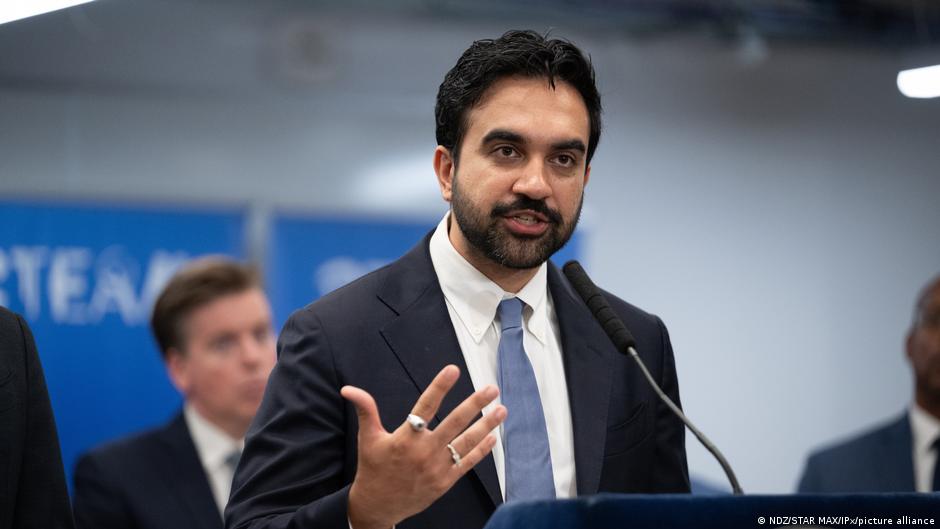
New York City Mayor Zohran Mamdani announced on Wednesday a one-year prohibition on generative artificial intelligence tools for public elementary and middle school students. Described by municipal officials as the broadest restriction of its kind in the United States, the temporary policy affects approximately 600,000 children through eighth grade while administrators examine how students engage with the technology.
Scope of the New Policy
The directive suspends roughly 40 educational AI applications currently used in NYC classrooms. In addition, companion chatbots are prohibited across all grade levels throughout the public school system.
High school students will remain exempt from the comprehensive ban. Instead, the city will introduce twice-yearly AI literacy courses for high schoolers and establish pilot projects allowing limited use of designated AI platforms under educator supervision. Teachers are still permitted to utilize AI software for administrative tasks and lesson preparation, including schedule management.
Accompanying the AI restrictions are new recommended screen-time limits: 30 minutes per day for third through fifth graders and 45 minutes daily for sixth through eighth graders. City authorities also plan to conduct a district-wide review of educational software to phase out nonessential digital tools.
Rationale and Public Reaction
Mayor Mamdani framed the policy around the necessity of direct interpersonal contact in education, stating that “Children need teachers and human connection in order to learn and grow.”
Responses from teacher representatives and advocacy groups were mixed. Michael Mulgrew, president of the United Federation of Teachers union, welcomed the recommended limits on screen usage but cautioned that the AI strategy “leaves many questions unanswered” regarding how authorities will guarantee that purchased technology features sufficient safeguards.
Josh Golin, executive director of the children’s advocacy organization Fairplay, expressed a preference for a longer moratorium and earlier implementation notice prior to the school term. Golin noted that AI platforms ought to demonstrate their efficacy, safety, and ability to prevent rampant cheating without displacing human instruction.
Broader Context Across US Schools
The announcement comes as New York City’s approximately 1 million public school students prepare to return to classrooms next week. Other major US school systems are taking similar precautions. Los Angeles Unified, the second-largest school district in the nation, is also temporarily restricting generative AI on student devices while creating a official policy, following earlier device restrictions and screen-time caps passed in June.
According to reporting by the Associated Press, at least 37 US states have established official framework guidelines for artificial intelligence in schools, though no unified national instruction standard currently exists for AI literacy.
Background
The rapid integration of generative artificial intelligence into educational settings has prompted debate among policymakers, educators, and parents across the United States. School districts face the challenge of balancing potential educational benefits—such as individualized learning and administrative efficiency—against risks related to data security, academic integrity, screen dependence, and the loss of direct teacher-student interaction.


Leave a Reply