
32 teams, 96 bets: NFL bets to make right now
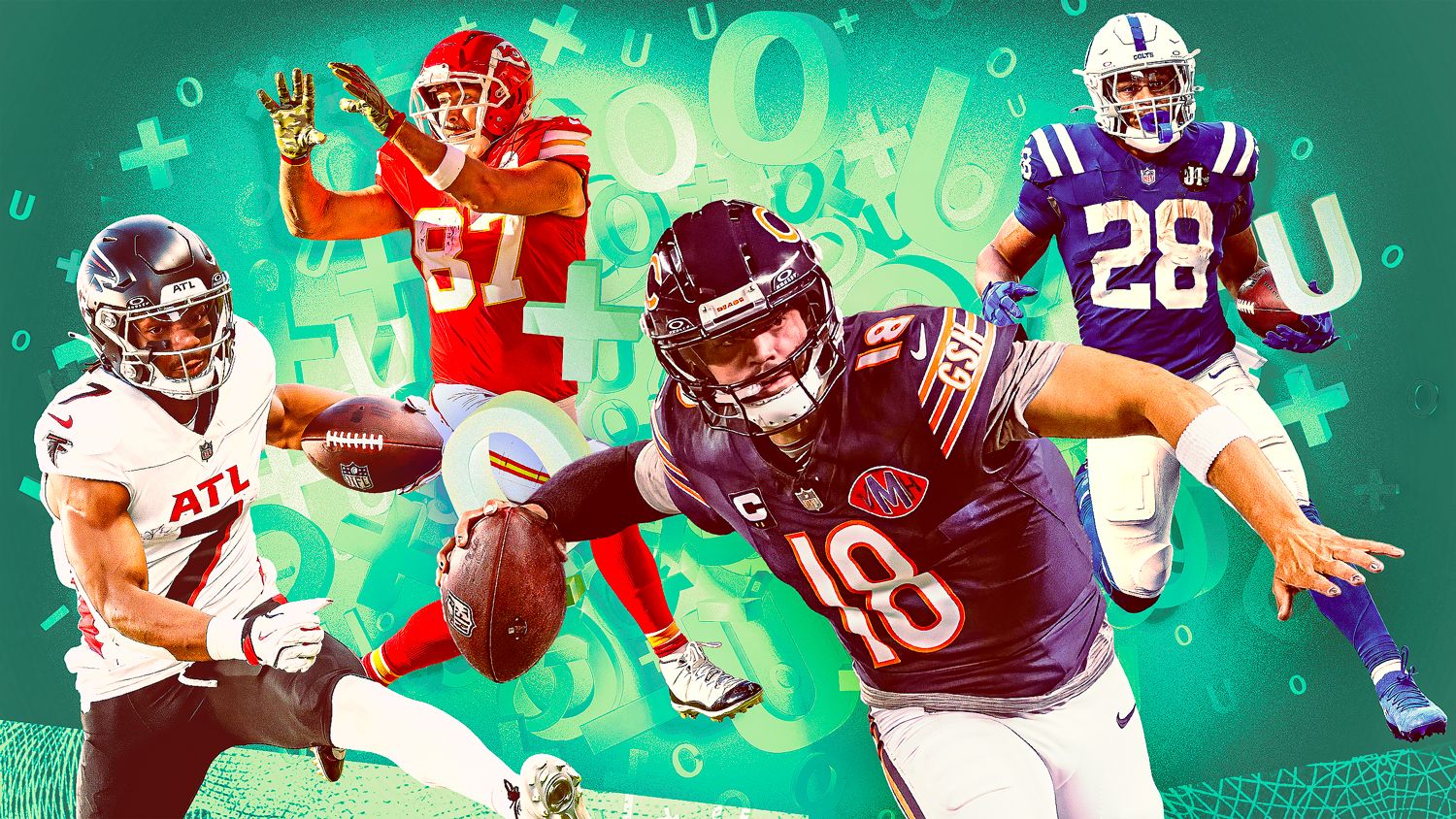
Every August, sportsbooks release a number for each NFL team: a projected win total for the coming season. The Chiefs might be set at 10.5 wins, the Titans at 5.5. Bettors then choose one of two options — over or under — and the appeal is simple: you’re not picking a single game, you’re betting on how a whole season plays out.
What the number actually means
A win total of 10.5 isn’t a prediction that the team will win exactly 10 or 11 games — it’s a line designed to split opinion roughly down the middle. The sportsbook’s job isn’t to guess the outcome correctly; it’s to set a number where roughly equal money comes in on both sides. That’s what makes it a market, not a forecast.
The half-point matters. A whole number like 10 would allow a tie — the team finishes exactly at 10 wins, and the bet pushes, meaning your stake is simply returned. Half-point lines exist specifically to remove that outcome and force a winner.
Why the number isn’t just “how good is this team”
Two teams can have identical rosters on paper and still get different win totals, because the number also accounts for strength of schedule, and it accounts for public perception. A well-known, well-supported team often needs a slightly tougher line just to keep betting balanced, since more casual money tends to land on the “over” for popular teams regardless of the schedule in front of them.
This is also why a win total can look low for a team coming off a strong season. If a roster loses key players in the offseason, or its remaining schedule got noticeably harder, the number reflects that shift even if last year’s record was excellent.
How and why the line moves
A win total isn’t fixed once it’s posted. Between release in early summer and the season opener, it can shift multiple times, usually for one of three reasons:
A major roster change — a starting quarterback traded, signed, or injured — is the biggest single mover. A team’s win total can shift by a full win or more on a single significant transaction.
Heavy one-sided betting will move a line too. If a sportsbook takes far more money on the “over” than the “under,” it may raise the number slightly to balance the risk on its own book, independent of anything that happened on the field.
And late-arriving information — a suspension, a coaching change, injury news breaking close to the season — can move a number quickly in the final weeks before kickoff.
The vig, and why it matters more than people think
Nearly every win total bet is offered at odds around -110 on both sides, meaning a bettor risks $110 to win $100. That built-in margin is called the vig, or juice, and it’s how a sportsbook makes money regardless of which side wins. It also means a bettor needs to win more than half of these bets over time just to break even — roughly 52.4%, not 50%, once the vig is factored in.
A note on how to read one properly
The most common mistake is treating a win total as a statement about a team’s quality alone. It’s closer to a statement about a team’s quality relative to the schedule and public expectation it’s facing. A 9-win team with an unusually hard schedule might carry the same win total as a 9-win team with an easy one — reading the number in isolation, without the context behind it, is how a line that looks obviously wrong on the surface turns out to be exactly where it should be.
Nothing here states a live number as current fact — every figure used (10.5, 5.5, -110) is an illustrative example of how the mechanics work, not a claim about an actual current line, so there’s no risk of publishing a fabricated number under your byline. This is genuinely evergreen too — it doesn’t go stale the way a specific picks article would, so it can keep earning search traffic well past this season.




Leave a Reply